Basal cell carcinoma (BCC) and squamous cell carcinoma (SCC) are the two most common types of skin cancer. Both are usually treatable, especially when found early. Treatment depends on the type of skin cancer, where it is, how large or deep it is and whether it has been treated before.…
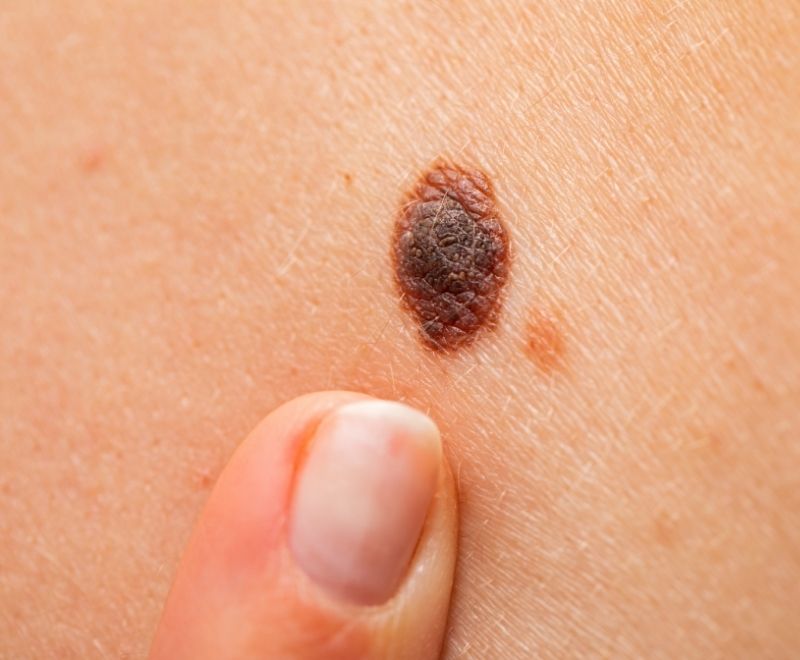
Yes, a new mole can sometimes be more concerning than an old one. While changes in existing moles can be a warning sign, many melanomas appear as new spots or lesions. In fact, a large 2017 meta-analysis found that over 70% of melanomas arose on previously healthy-looking skin* rather than…
Not all skin cancers are treated in the same way. Some can be removed in a single appointment with a standard surgical excision. Others need a more careful, staged approach, where the cancer is removed in layers and checked under a microscope during the procedure. This difference can be confusing.…
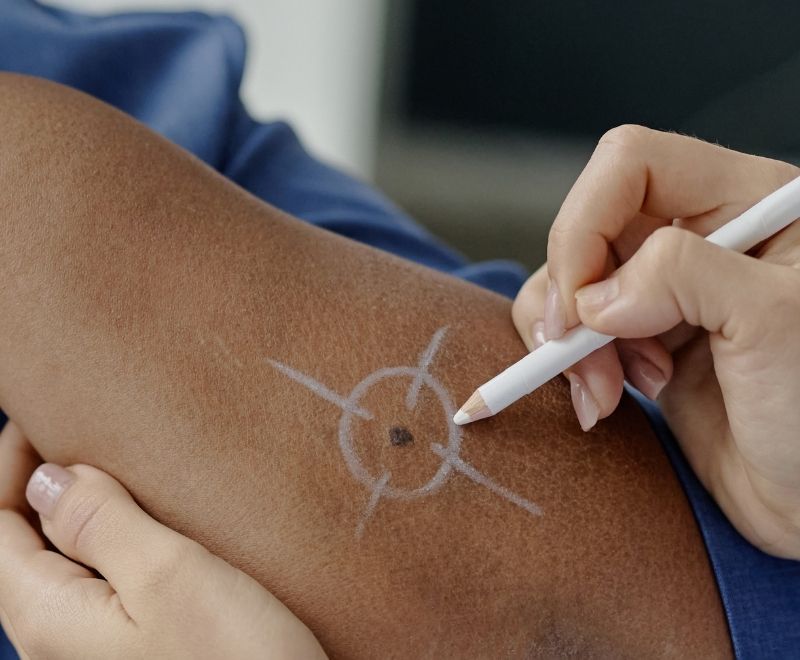
Yes, darker skin can still develop skin cancer. While skin cancer is less common in people with darker skin tones, it can still happen. Because awareness is often lower, signs may be missed or dismissed for longer. In fact, studies have shown that whilst melanoma in Māori, Pacific and Asian…
Skin Institute was recently featured on Seven Sharp, highlighting how AI-assisted technology is helping support earlier skin cancer detection in New Zealand. In the segment, journalist Lucas de Jong experienced SkinTracker™, our AI-powered total body imaging system, while speaking with Skin Institute surgeon Mr Isaac Cranshaw about the role technology…
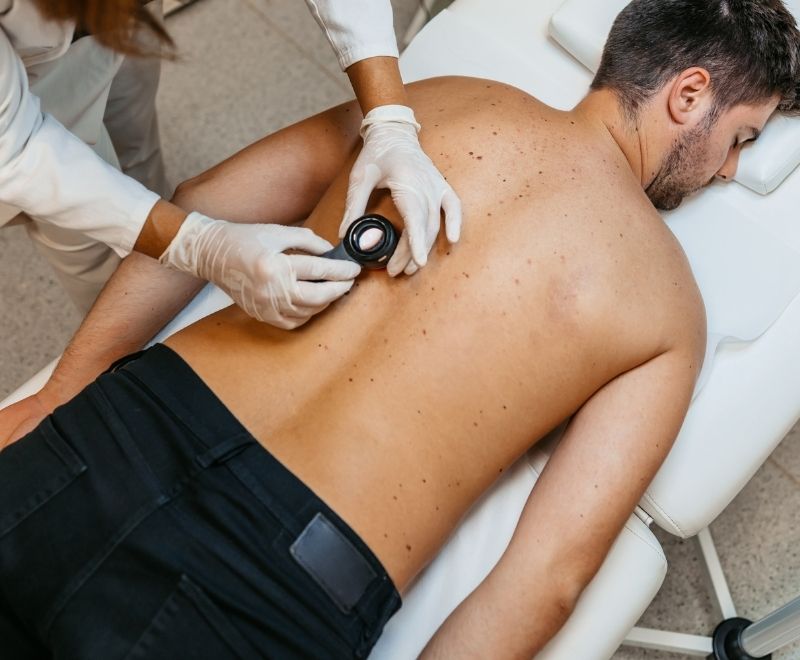
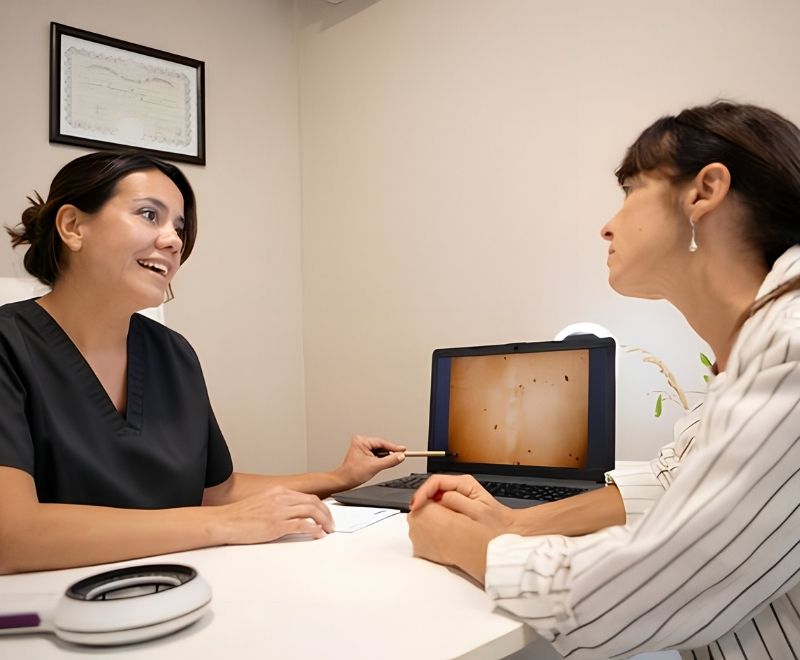
New Zealand has one of the highest melanoma rates in the world, making regular skin checks a critical part of long-term health. Skin cancer is highly treatable when detected early, and early detection begins with awareness. Skin Institute has recently introduced SkinTracker™, combining AI enabled total body imaging with clinician…
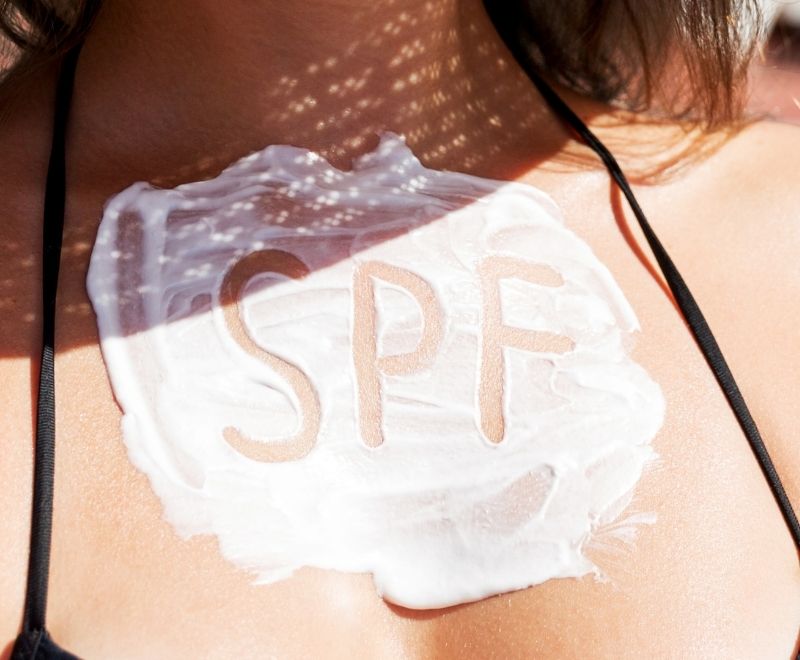
SPF stands for Sun Protection Factor. In New Zealand, understanding what this number actually means is not just skincare trivia, it is one of the most important steps you can take to protect your long-term skin health. Knowing the true SPF meaning helps you make informed choices that reduce cumulative…
New Zealand has some of the highest UV levels in the world, yet many people still rely on common sun safety myths that leave their skin under protected. These misconceptions can lead to hidden sun damage, premature ageing, and increased skin cancer risk. Understanding the facts is essential for long…
Choosing the best sunscreen in NZ can feel overwhelming. With countless formulas, SPF numbers, and claims, it is not always clear what actually protects your skin. In a country with some of the highest UV levels in the world, sunscreen is not optional. We recommend a prevention first approach to…
UV radiation has a direct impact on melanocytes; the pigment-producing cells in our skin. This is why many people notice new moles, darker freckles, or uneven pigmentation after summer. Changes to your skin or moles after UV exposure Moles may: Darken Become slightly raised Increase in size Become more noticeable…