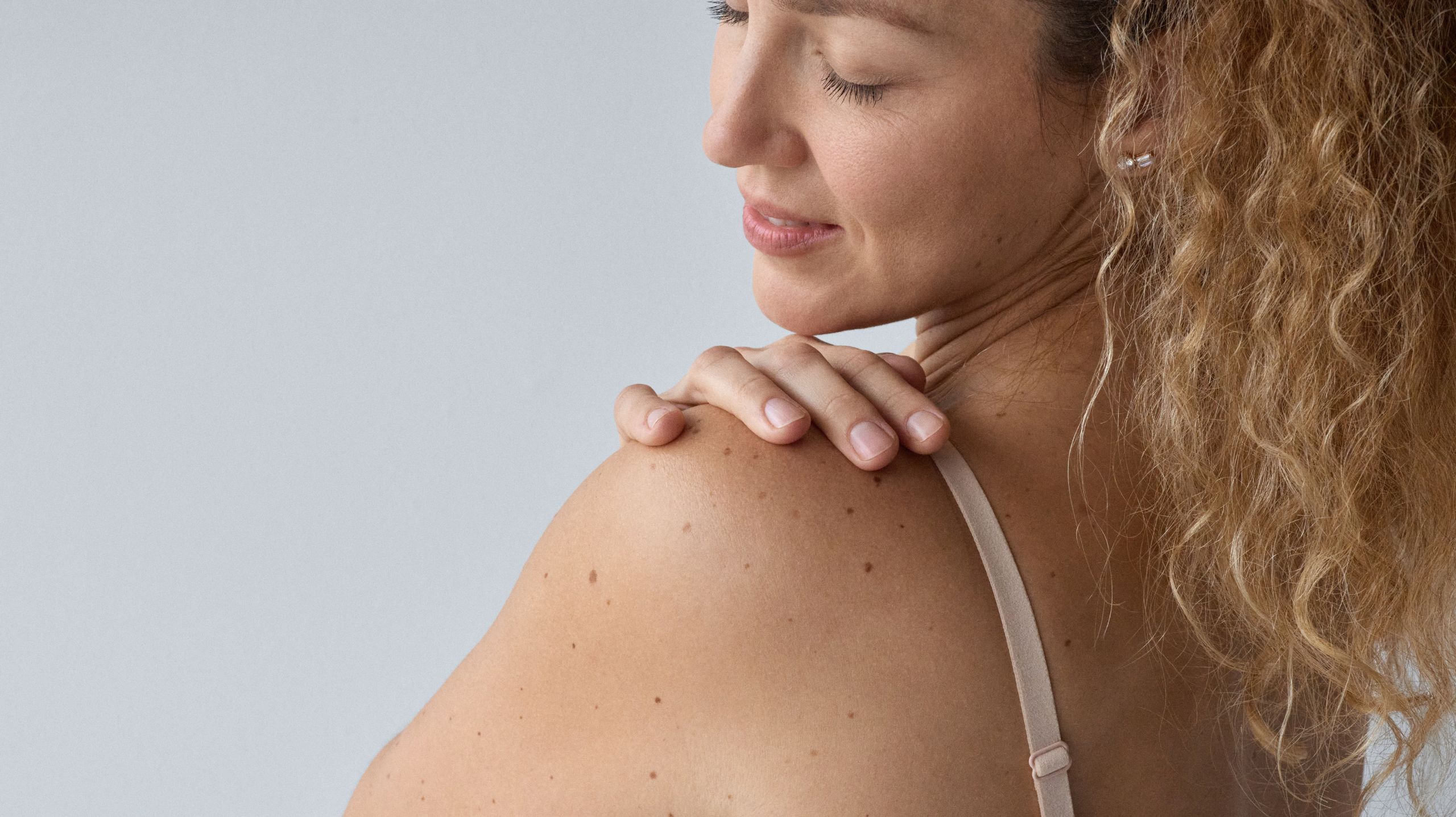
A Skin Check at Skin Institute is a clinician-led medical appointment focused on your skin and wellbeing. Our specialists check for potential skin cancers, suspicious lesions and changing moles, helping you catch any issues early when they are most treatable.
You’ll receive thorough assessments, clear advice and prompt action if needed. Our experienced team supports you throughout the process, giving you confidence in your skin health.
New Zealand has one of the world’s highest rates of melanoma and non-melanoma skin cancers in the world. Early detection makes a real difference. Our specialist team provides accurate diagnosis, timely treatment plans and peace of mind.
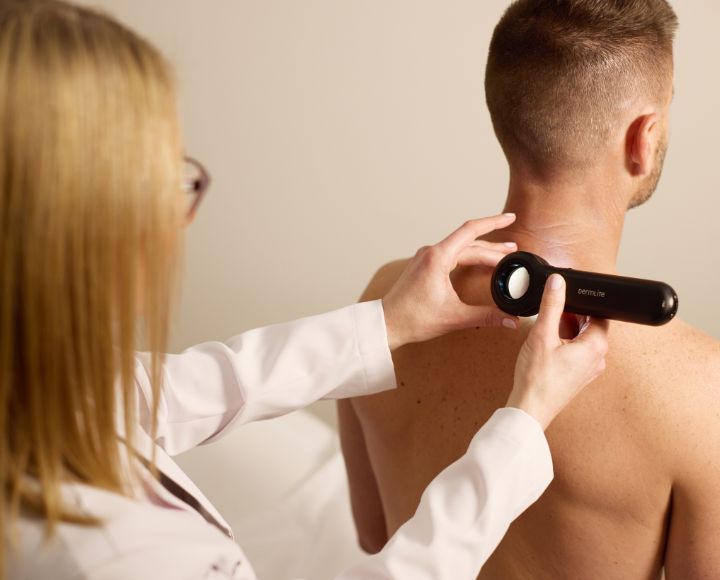
A Skin Check is a comprehensive medical appointment where a skin cancer doctor or nurse dermoscopist carefully examines your skin.
At Skin Institute, we also offer SkinTracker™, which combines AI-supported total body imaging with your clinician-led skin check. This advanced approach helps track the smallest changes in your skin over time, providing reassurance about your long-term skin health.
We use tools such as a dermoscopy, total body assessment and medical imaging when needed, to detect skin cancers early, small changes and assess any areas of concern. Based on findings, we recommend the most appropriate next steps, whether that’s ongoing monitoring, a biopsy or treatment.
We recommend booking a skin check at least once a year. That’s because 70 to 80% of skin cancers develop on skin that previously appeared healthy.
Regular annual checks are a vital step in detecting changes early and protecting your long-term skin health.
You should book an earlier skin check if you:
A full skin check may include:
During the appointment
After the appointment
Most skin checks require no recovery time.
If a biopsy is needed, you may experience mild tenderness or have a small dressing in place. If a biopsy is taken, results are usually available within several days with SkyLab.
You will receive clear instructions for wound care and guidance on what to expect as your skin heals, so you can feel confident throughout the process.
Full body skin check with a Skin Cancer Doctor
From $249
Full body skin check with a Nurse Dermoscopist
$159
Spot check (1 mole or spot) with a Nurse Dermoscopist
$59
Our Skin Cancer Doctors are fully qualified medical professionals who have completed five years of medical school and earned their medical degree. They then undertake at least four additional years of specialist GP training, followed by advanced training in skin cancer medicine, surgery and dermatology.
They are diagnostically trained and highly skilled in identifying skin cancers and other skin conditions using dermoscopy, and are qualified to perform procedures such as biopsies, excisions, and prescribe medications. Most importantly, they provide care with empathy, taking the time to guide and support you through every step of your skin health journey.
A clinician-led skin check gives you clarity, reassurance, and a clear plan for your skin health. When combining your skin check with SkinTracker™, it offers a more comprehensive way to monitor your skin, helping you stay proactive and confident about your skin health long-term.
Our Nurse Dermoscopists are registered nurses who have completed advanced training and certification in dermoscopy. Using a dermatoscope, they examine your skin at a magnified level and are skilled at recognising patterns that help distinguish harmless lesions from those that may require further attention.
While they do not perform surgical procedures or prescribe medications, they work closely with our Skin Cancer Doctors and can refer you for further assessment or treatment if needed. Their expertise ensures you receive thorough, careful evaluation and compassionate guidance every step of the way.
Learn more about vein health, aftercare, and everyday lifestyle choices that can help keep your legs feeling comfortable and healthy.
SkinTracker™ combines AI supported total body imaging with your clinician led skin check. Detailed photographs of your skin are captured to create a baseline that can be compared over time, helping track changes alongside your regular professional checks.
This combined approach brings together expert clinical assessment and advanced imaging to support earlier, more confident detection over time.