01 October 2026

SPF stands for Sun Protection Factor. In New Zealand, understanding what this number actually means is not just skincare trivia, it is one of the most important steps you can take to protect your long-term skin health.
Knowing the true SPF meaning helps you make informed choices that reduce cumulative UV damage and lower your risk of skin cancer.
SPF measures protection against UVB rays, the rays responsible for sunburn and direct DNA damage. It does not measure protection against all UV exposure.
No sunscreen blocks 100 percent of UV radiation. Over time, even small amounts of daily exposure add up. Even with the best SPF, some UV reaches your skin. That invisible damage accumulates over years.
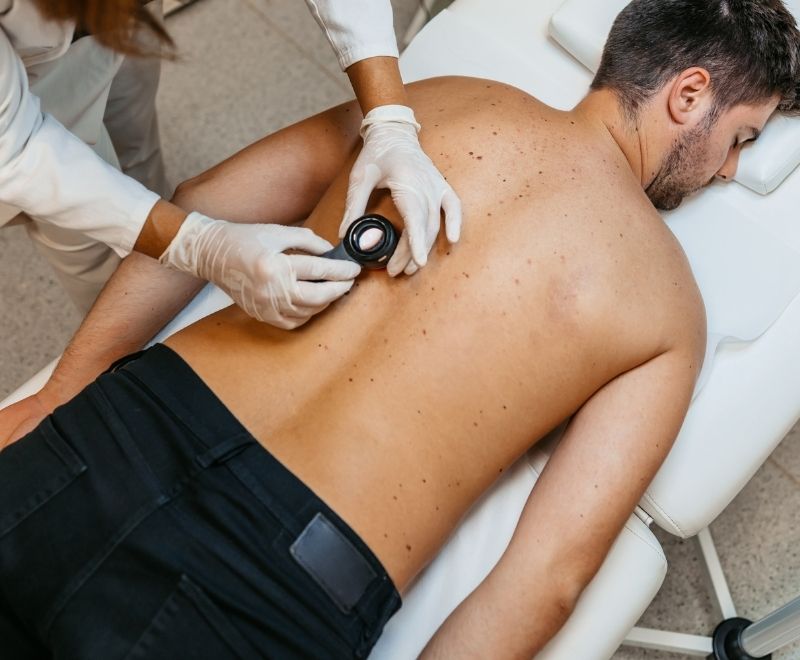
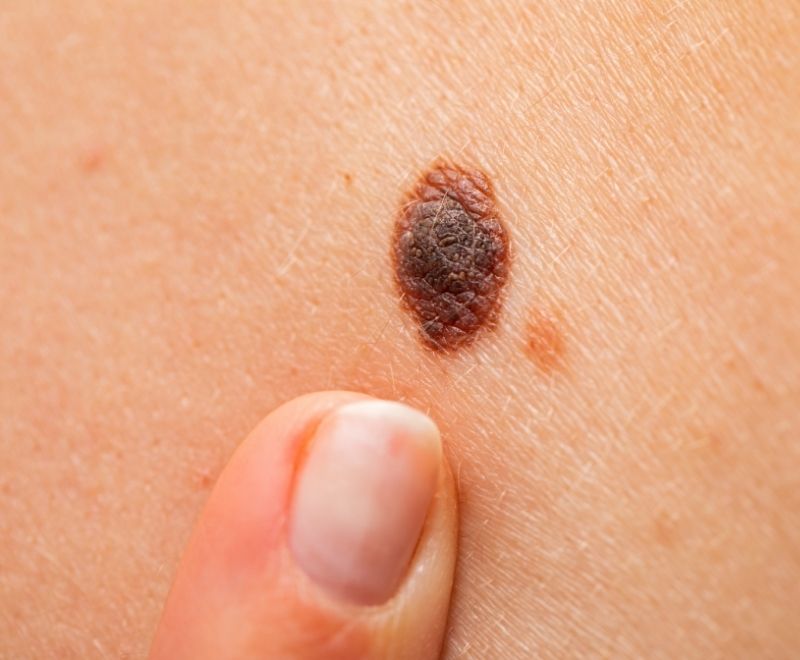
To help track the smallest changes in your skin, we have introduced, SkinTracker™ a comprehensive 2-step approach to skin health, optimised to detect early signs of melanoma. We now combine expert clinical care and advanced technology that makes SkinTracker™ our most accurate tools for early melanoma detection.
SPF only measures protection against UVB rays. To fully protect your skin, you need broad spectrum sunscreen that also shields against UVA rays.
UVA rays penetrate deeper into the skin, accelerating collagen breakdown, pigmentation, premature ageing and long-term skin cancer risk. Broad spectrum labelling confirms that a sunscreen protects against both UVA and UVB.
New Zealand’s UV index is among the highest in the world, which means sunscreen choice matters. Look for a sunscreen that offers SPF 50+, broad spectrum UVA and UVB protection, water resistance if you swim or sweat, and a texture you will use daily and reapply consistently.
No, not unless the sunscreen is labelled broad spectrum. SPF measures UVB protection only. Broad spectrum sunscreens protect against both UVA and UVB rays.
No. SPF increases are incremental, not linear. SPF 25 filters around 96 percent of UVB rays, while SPF 50 filters about 98 percent. Those extra percentage points matter under New Zealand’s high UV exposure over a lifetime.
A thinner ozone layer and clean air allow more UV radiation to reach the ground. This causes skin to burn faster and accumulate DNA damage more quickly, increasing skin cancer risk.
Yes. While darker skin contains more melanin, it does not prevent DNA damage or eliminate skin cancer risk. Protection and early detection are important for every skin tone.
A standard check relies on the clinician’s eye at that moment. SkinTracker™ combines a clinician’s exam with AI-driven total body photography (mole mapping) to create a digital record. This allows us to track even the slightest changes over time that the naked eye might miss.