01 October 2026
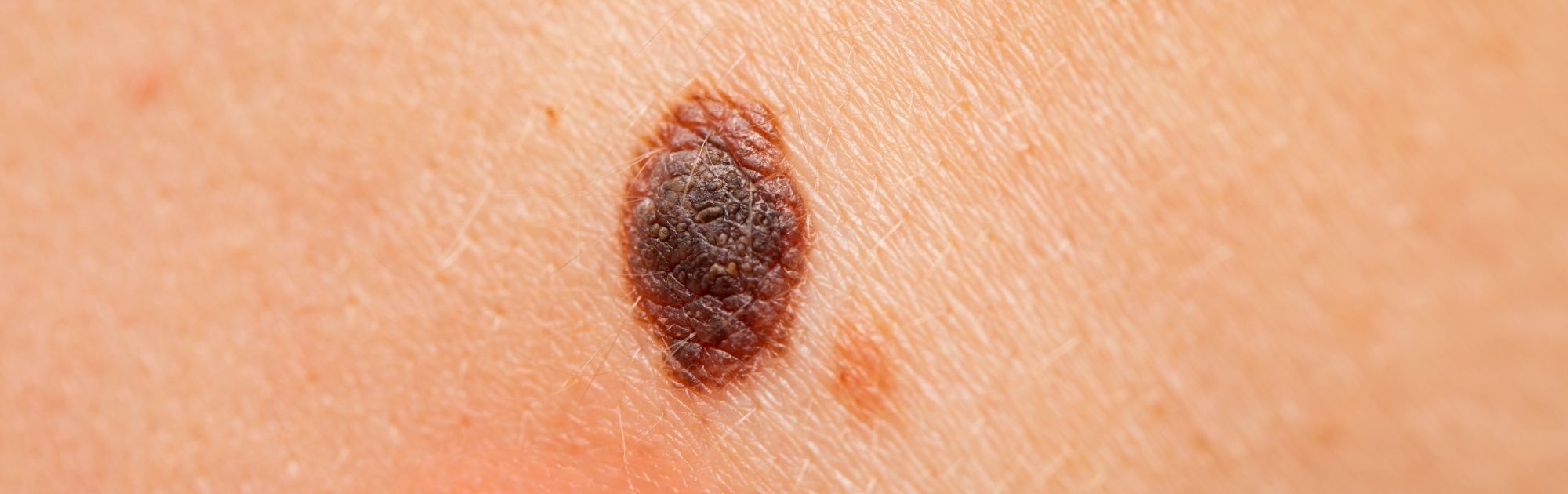
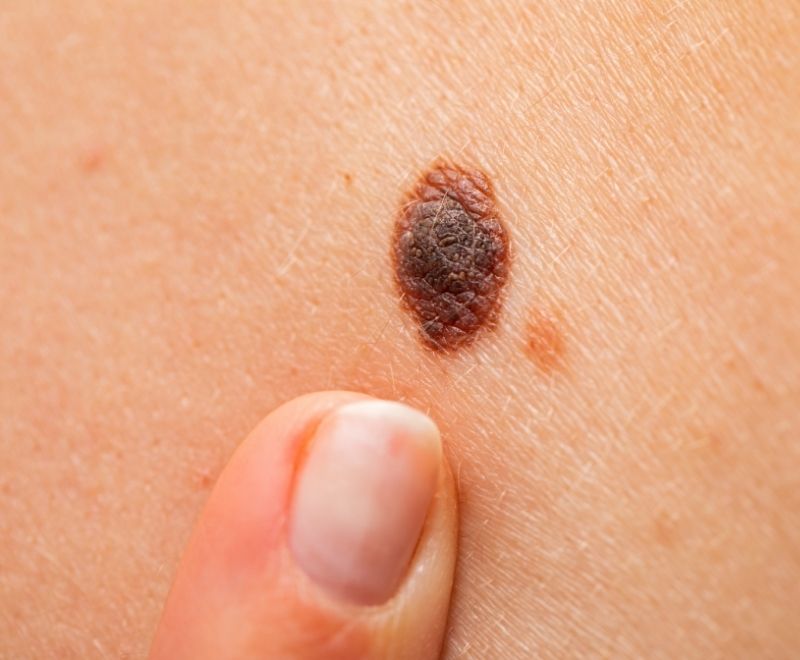
Yes, a new mole can sometimes be more concerning than an old one.
While changes in existing moles can be a warning sign, many melanomas appear as new spots or lesions. In fact, a large 2017 meta-analysis found that over 70% of melanomas arose on previously healthy-looking skin* rather than from a pre-existing mole.
That is why any mole or skin spot that is new, changing, unusual or different from the rest should be taken seriously.
Not all skin cancers start in moles you have had for years. Some develop as new lesions on the skin.
This means it is important to watch not only for change in older moles, but also for entirely new spots that appear and do not look quite right.
A new mole may deserve attention if it:
A useful guide is the ABCDEFG rule:
It is also important to look for the “ugly duckling” sign, describing a spot that looks different from the rest of your skin.
No. Many new spots are harmless.
However, in adults, a new or noticeably different lesion should not be ignored. If a spot is changing, unusual or simply does not look right, it is worth having it assessed.
Book a skin assessment if you notice a:
Often a spot turns out to be benign. But if skin cancer is detected early, treatment is usually simpler and outcomes are better.
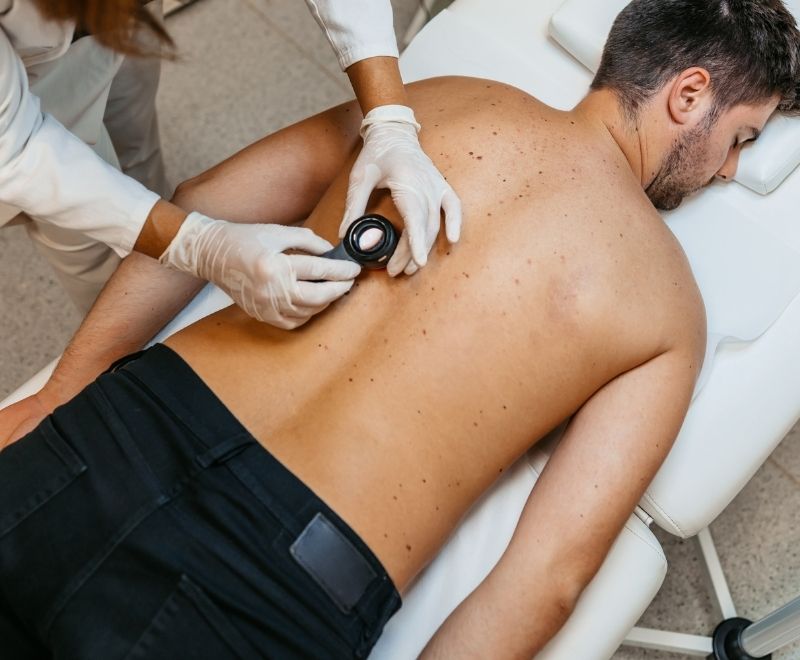
When it comes to skin cancer detection, a single spot in isolation does not always tell the full story. Annual skin checks should be part of every kiwi’s skin health routine. It’s important to check whether a lesion is new, or whether an existing spot has changed over time.
It’s difficult to remember or spot changes year on year. So that’s why image-based monitoring can play an important role alongside a clinician’s assessment. Comparing the skin over time can help identify subtle new or evolving lesions that may be harder to detect from memory alone or in a one-off snapshot.
Our clinicians offer SkinTracker™ total body imaging technology, which is designed to track even the smallest changes in your skin. This kind of longitudinal monitoring creates a visual record of the skin and is another tool that our clinicians use to detect skin cancer.