01 October 2026

Skin Institute was recently featured on Seven Sharp, highlighting how AI-assisted technology is helping support earlier skin cancer detection in New Zealand.
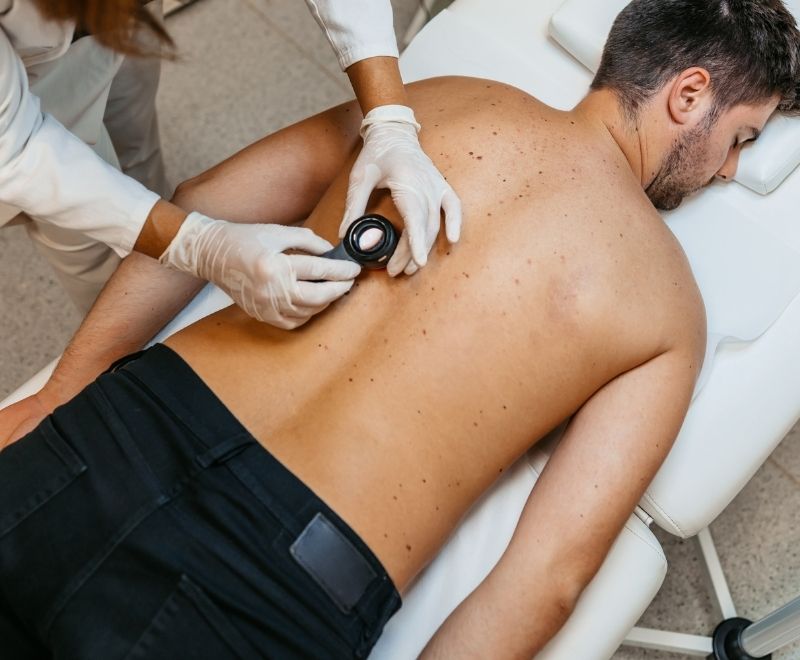
In the segment, journalist Lucas de Jong experienced SkinTracker™, our AI-powered total body imaging system, while speaking with Skin Institute surgeon Mr Isaac Cranshaw about the role technology can play alongside expert clinical care.
New Zealand has one of the highest rates of skin cancer in the world*. Early detection remains one of the most important factors in improving treatment outcomes, which is why advances in skin monitoring technology are becoming an increasingly valuable part of modern skin cancer care.
SkinTracker™ is an advanced total body imaging system designed to help clinicians monitor changes in the skin over time.
Using AI-assisted imaging technology, the system captures a detailed series of high-resolution images across the body. These images create a visual baseline that can be compared over time, helping clinicians identify the smallest changes in the skin that may otherwise be difficult to detect.
The technology is designed to support clinicians by improving visibility and consistency during ongoing skin monitoring. It does not replace clinical expertise. Instead, it works alongside experienced medical professionals to support informed decision-making and a more proactive approach to skin health.
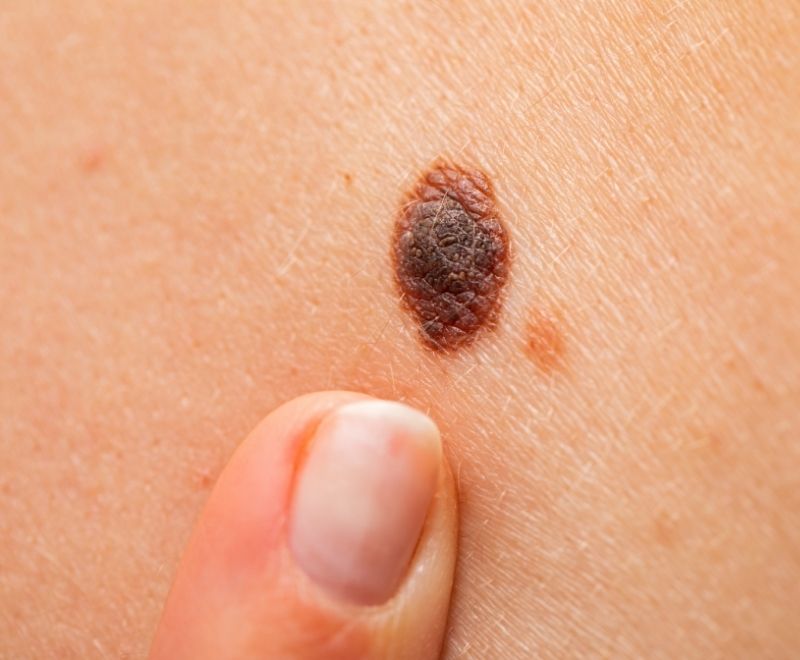
Many skin cancers develop gradually and can change in appearance over time. In some cases, these changes may be difficult for patients to notice themselves, particularly in areas that are hard to see or monitor regularly.
Mr Isaac Cranshaw explained during the Seven Sharp interview that tools such as SkinTracker™ can provide clinicians with an additional layer of information when assessing skin lesions and monitoring patients over time.
Having a detailed visual record can help support earlier identification of suspicious changes, particularly for patients with:
Earlier identification often allows for earlier intervention, which can lead to better treatment outcomes.
Source: World Cancer Report: Cancer Research for Cancer Prevention, edited by Wild CP, Weiderpass E, Stewart BW, (2020)