01 October 2026

New Zealand has some of the highest UV levels in the world, yet many people still rely on common sun safety myths that leave their skin under protected. These misconceptions can lead to hidden sun damage, premature ageing, and increased skin cancer risk.
Understanding the facts is essential for long term skin health.
The most common sun safety myths in New Zealand.
Up to 80 percent of UV radiation penetrates cloud cover. In New Zealand, UV levels can still be high or extreme on overcast days because clouds block heat more effectively than UV. Even when it feels cool, your skin can burn quickly. Daily SPF is essential whenever you are outdoors.
A tan is a sign of skin damage, not protection. It provides the equivalent of only SPF 3 to 4, which is far below what is needed under New Zealand’s UV conditions. Repeated tanning accelerates ageing, pigmentation, collagen breakdown, and increases skin cancer risk.
Most UV exposure happens during everyday activities like driving, walking, gardening, or exercising outdoors. UVA rays penetrate glass and contribute to long term skin damage. That’s why sunscreen should be a daily habit, not just for holidays.
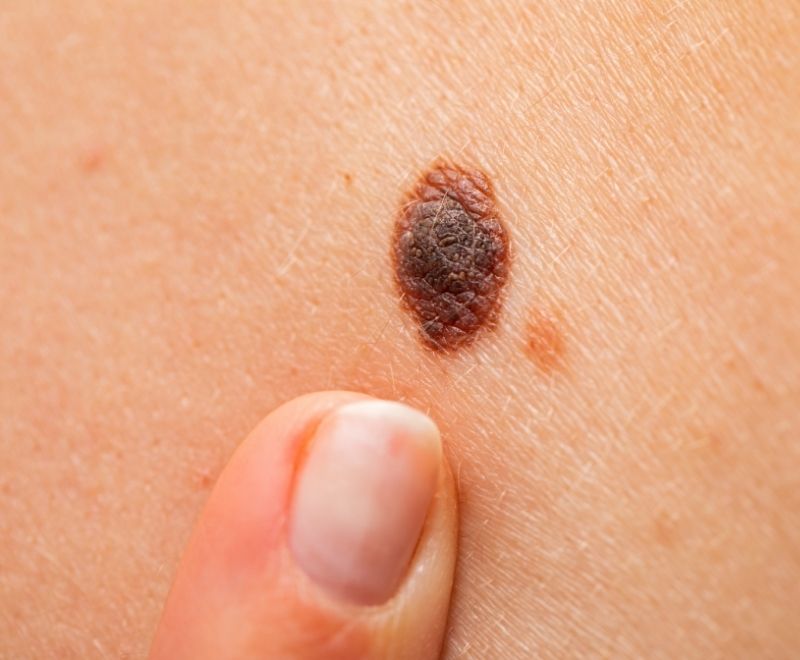
All skin tones can burn and develop skin cancer. While darker skin may burn less quickly, damage is often harder to see, and cancers are frequently detected later. Sun protection and regular skin checks are important for everyone.
Misunderstanding UV exposure leads to cumulative, hidden skin damage over time. Consistent protection helps prevent:
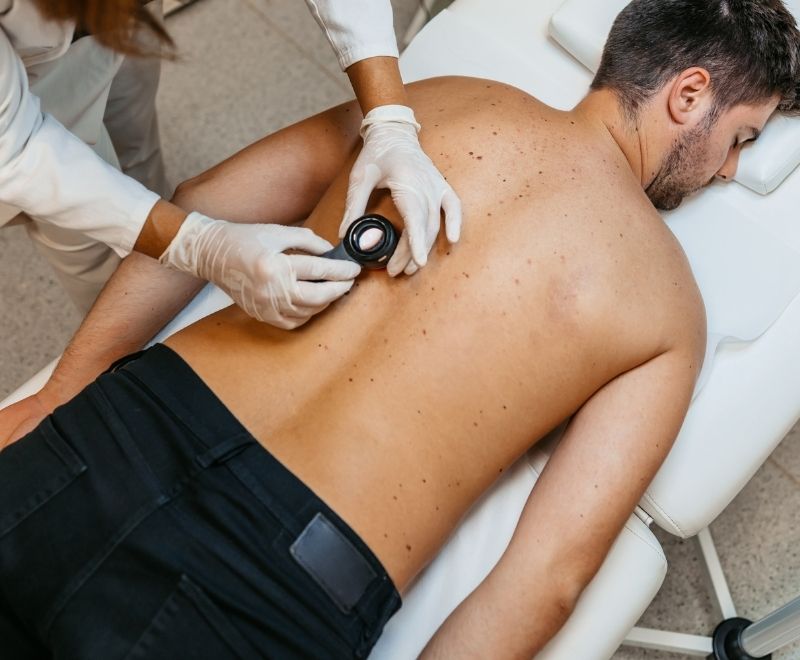
Check out our Melanomia Risk Assessment Quiz to learn about your personal skin cancer risk or learn more about SkinTracker™ our most advanced tool for monitoring your skin.
Yes. UVA rays penetrate windows and contribute to long term skin damage, especially during driving or sitting near glass.
Most adults should have a professional skin check once a year. Your clinician may recommend more frequent checks depending on your risk factors.
SkinTracker™ is our most advanced tool for monitoring your skin.
It builds a clear, trackable record that allows us to detect changes and flag areas of concern early, including those not visible to the naked eye.
Regular SkinTracker™ monitoring helps support early detection when issues are easier to treat and far less likely to become serious, helping you stay ahead of anything that needs attention.
It is the combination of expert clinical care and advanced technology that makes SkinTracker™ one of the most accurate tools for early melanoma detection.