01 October 2026
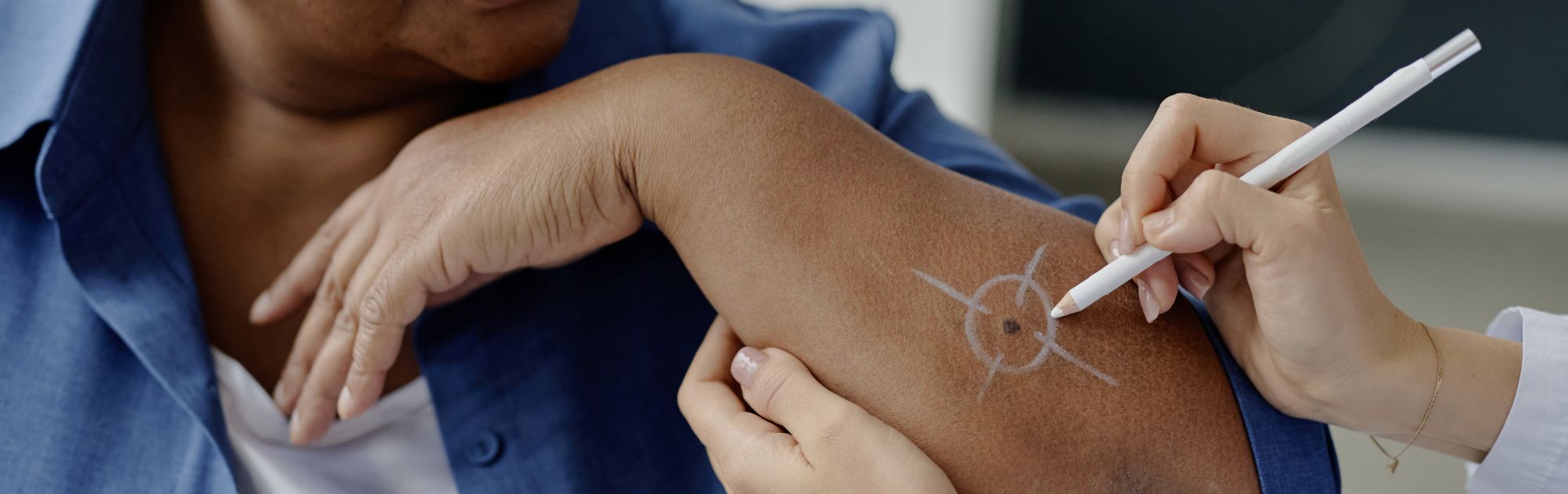
Yes, darker skin can still develop skin cancer.
While skin cancer is less common in people with darker skin tones, it can still happen. Because awareness is often lower, signs may be missed or dismissed for longer.
In fact, studies have shown that whilst melanoma in Māori, Pacific and Asian peoples is less common it is often diagnosed at a more advanced stage than in New Zealand Europeans*. That’s why skin checks still matter across all skin tones.
Yes. No skin tone is completely protected from skin cancer.
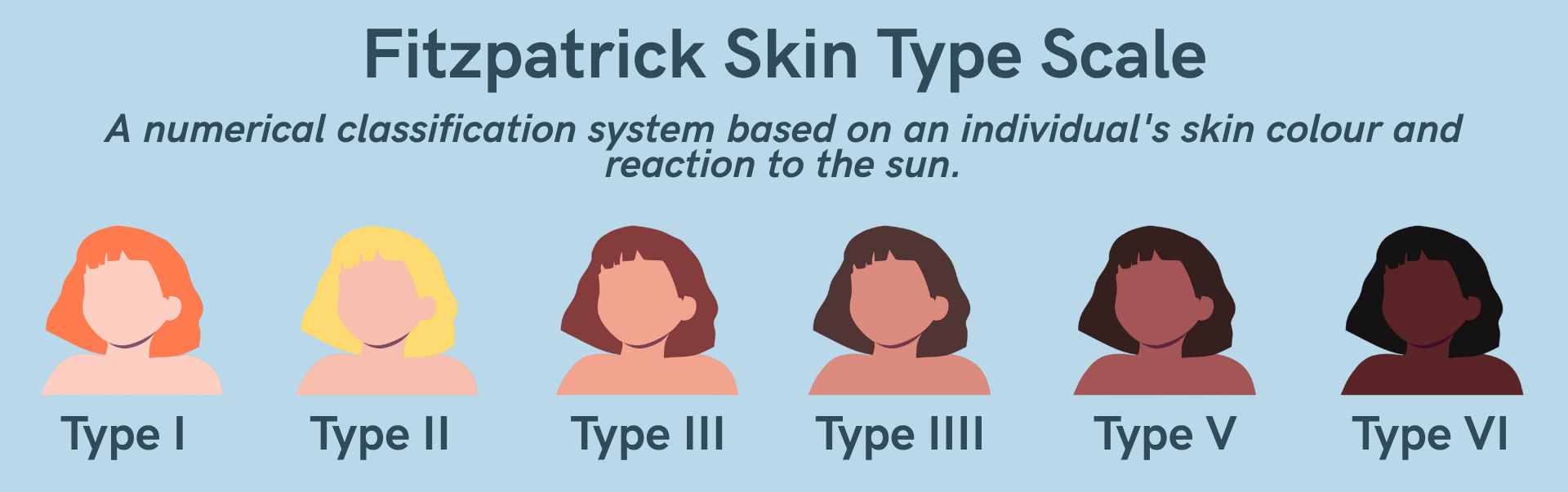
Higher levels of melanin do provide some natural protection against UV damage, but they do not remove risk entirely. In clinical settings, skin tone is sometimes described using the Fitzpatrick skin type scale, which ranges from Type I to Type VI. People with deeper skin tones are often described as being at the higher end of that scale, but that still does not mean they are immune to skin cancer.
Skin cancer does not always look the same on every skin tone, and many people have only seen examples on lighter skin. On darker skin, it may appear as:
In some cases, it may appear darker than the surrounding skin. In others, it may look pink, red, grey or lighter than expected.
Skin cancer can appear on sun-exposed areas such as the face, ears, scalp, shoulders and arms. But it is also important to pay attention to less obvious areas, especially in people with darker skin tones, including:
These areas can be easy to overlook during routine self-checks.
A common misconception is that darker skin does not need monitoring for skin cancer. That is not true.
Skin checks still matter because early changes can be subtle, and skin cancer may not always appear where people expect it. Getting a spot checked early can help clarify what it is and reduce the chance of delayed diagnosis.
It can also be helpful to track skin changes over time, especially when a spot is new, evolving, or difficult to monitor from memory alone.
Our SkinTracker™ system combines total body imaging with clinician assessment to support skin monitoring over time is our 2-step approach skin health. We create a visual record of the skin that can be compared over time, helping clinicians identify subtle new or changing lesions more clearly.
Annual checks are a valuable addition to managing your skin health. It’s also important to have a lesion assessed if you notice:
If a lesion is changing quickly or causing concern, it should not be ignored.
For workplaces wanting to support staff wellbeing, Skin Institute offers Skin Cancer Spot Check events for businesses through its Corporate Wellbeing Programme. These pop-up events can make skin checks much easier to access for employees.
If this is something your workplace could benefit from, consider raising it with your employer, HR team or Health & Safety lead and inviting them to get in touch with Skin Institute to learn more.
* * *
It is less common, but it is not uncommon enough to ignore. People with darker skin can still develop skin cancer.
Yes. It may look different from the images many people are used to seeing, and it can appear in less obvious areas such as the soles, palms or under the nails.
Darker skin offers some natural protection, but it does not eliminate risk.
The Fitzpatrick scale is a way clinicians describe skin types based on how skin tends to respond to sun exposure. It can be helpful in discussion, but it should not be taken to mean that any skin type is fully protected from skin cancer.
If a spot is new, changing, bleeding, not healing, or simply looks unusual, it is worth having it checked by a clinician.
* Source: Cancer Epidemiol Biomarkers Prev (2009) 18 (6): 1706–1713.