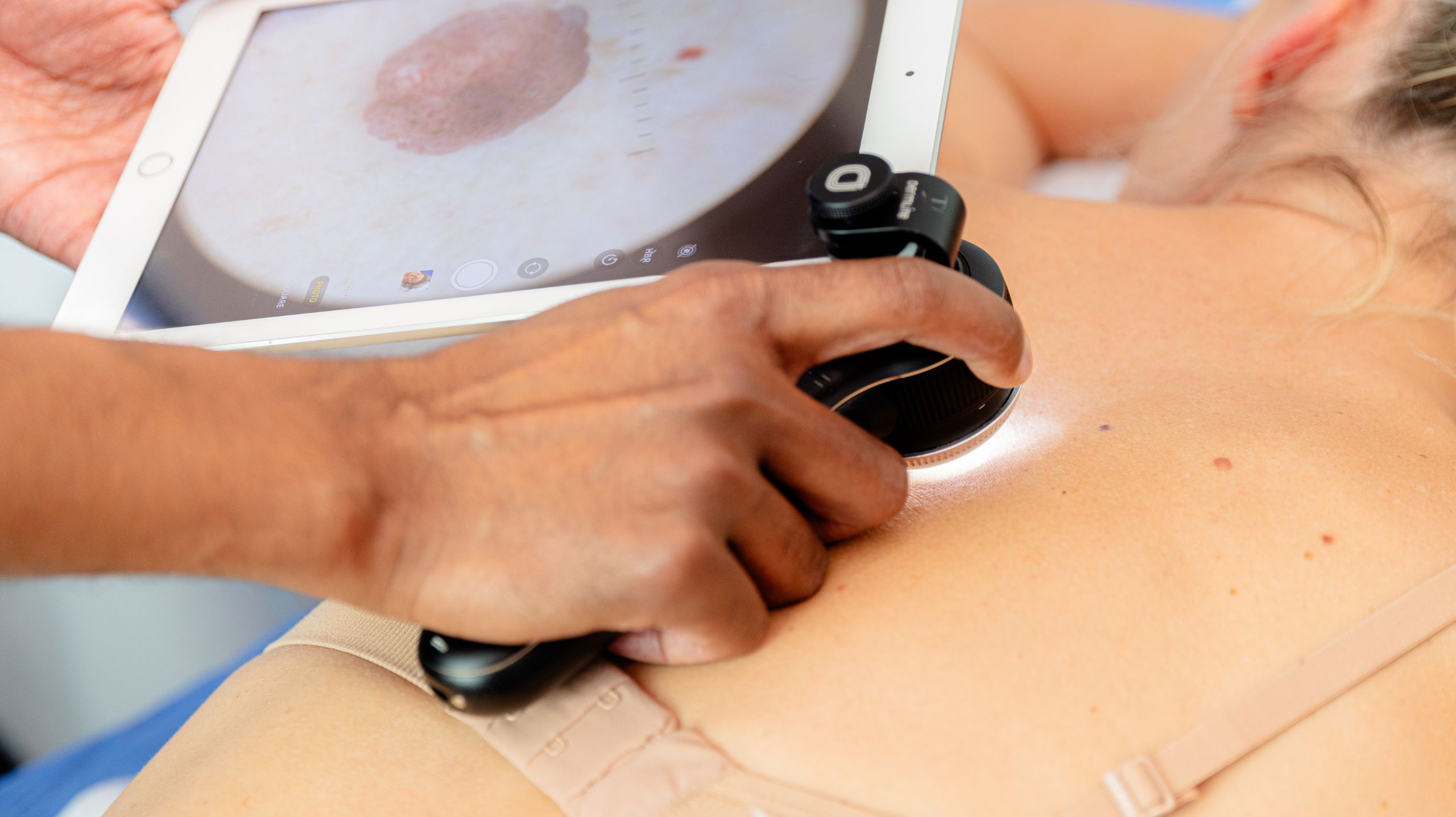
New Zealand has some of the highest UV exposure in the world, which means skin cancer can affect anyone, regardless of age or background.
Each year, around 6,000 Kiwis are diagnosed with melanoma, with thousands more diagnosed with non-melanoma skin cancers.
The good news is that early detection makes skin cancer highly treatable. Regular skin checks are essential for protecting your health. They’re not optional, they’re potentially life saving.
You may have a higher risk of melanoma and skin cancers if you;
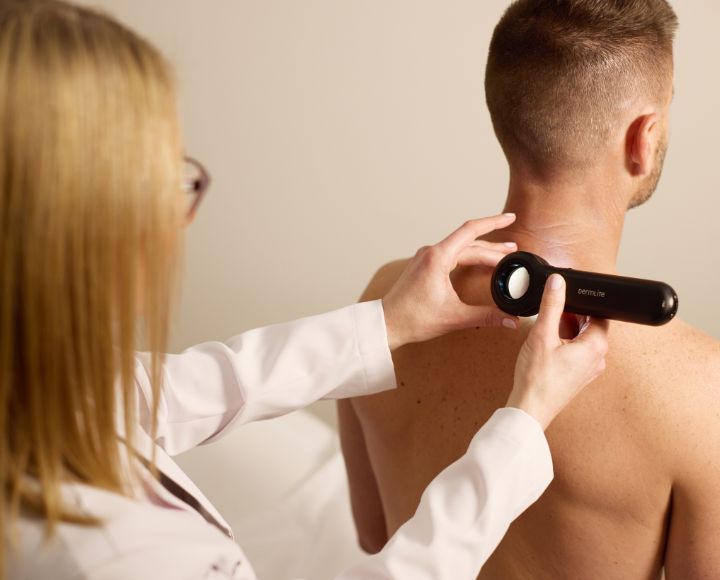
Even if you don’t have the typical risk factors, regular skin checks are still important. Melanoma can develop on any skin type, at any age, and in areas that aren’t exposed to the sun.
Our experts will assess your individual risk and guide you on how often you should have your skin checked. We’ll also show you what to look for at home, giving you the knowledge and confidence to spot changes early and take action quickly.
Q: Am I at risk of skin cancer?
A: Anyone can develop skin cancer, but your risk may be higher if you have fair skin, light-coloured eyes or hair, a history of sunburn, spend significant time outdoors, have many moles or freckles, or have a family history of melanoma or skin cancer. Regular skin checks are recommended for everyone, regardless of risk level.
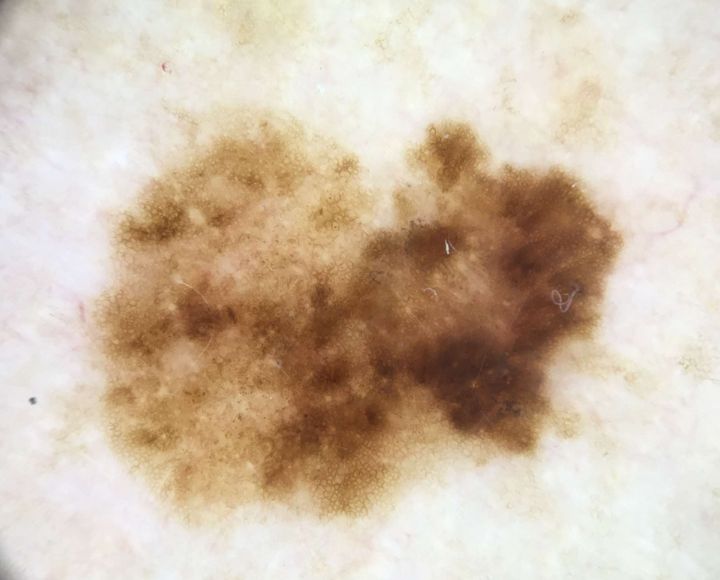
Q: What are the early signs of melanoma?
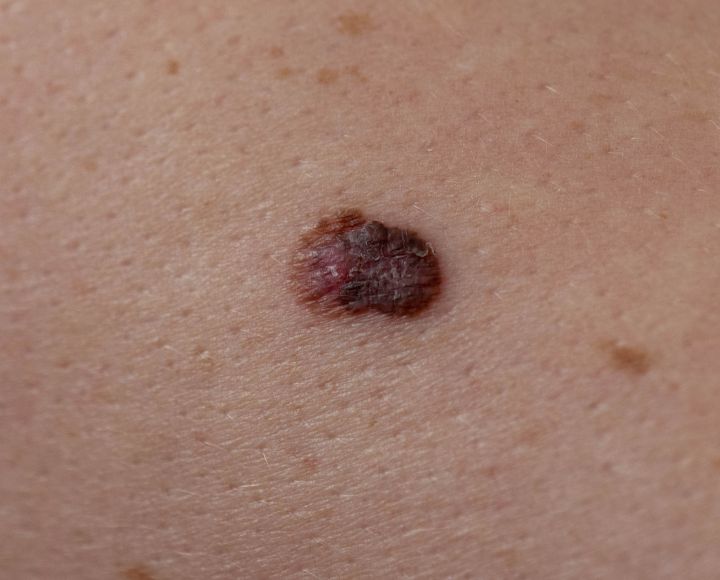
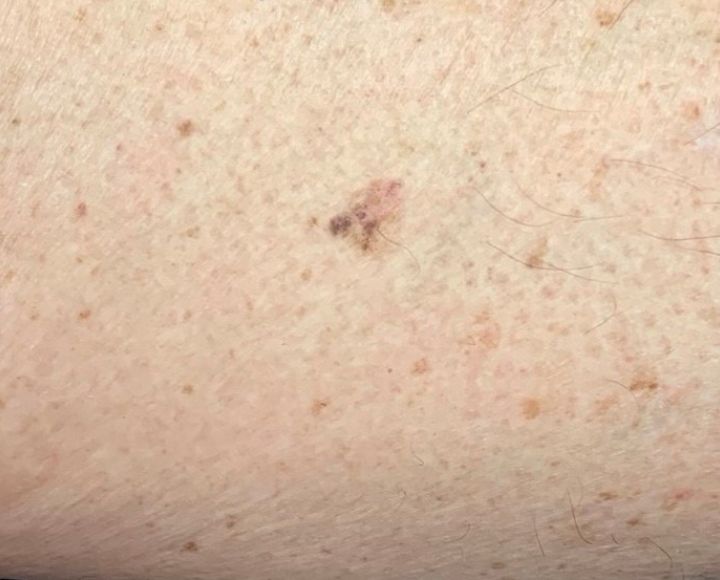
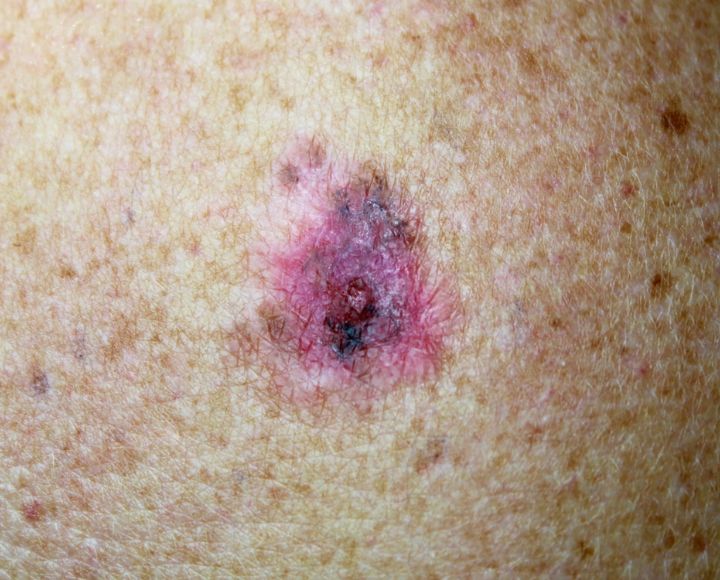
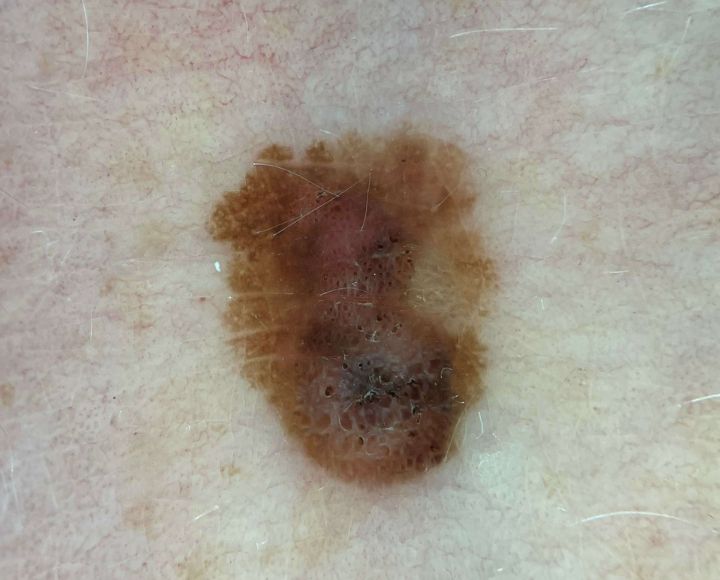
A: Early signs of melanoma can include a new mole, a mole that changes in size, shape or colour, or a spot that looks different from others on your skin. Any changing or unusual lesion should be assessed by a skin cancer professional.
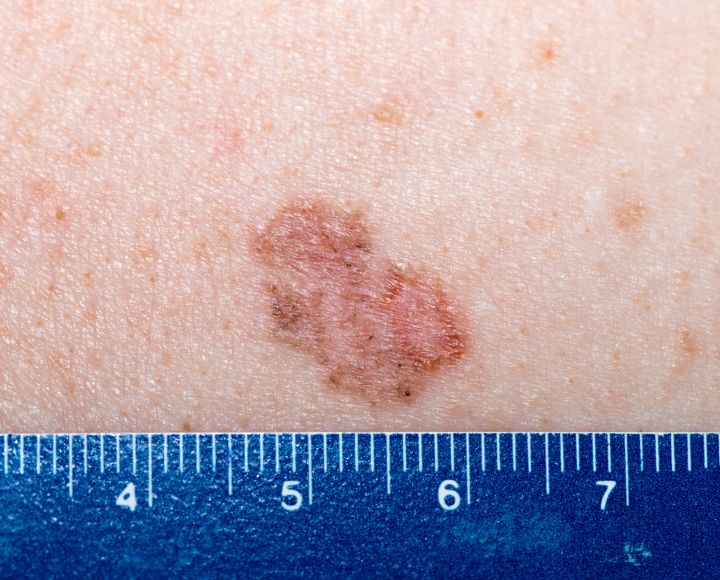
Q: What are the symptoms of skin cancer?
A: Common symptoms of skin cancer include new spots, changes to existing moles, sores that don’t heal, scaly patches, or lesions that bleed, itch or become tender. If you notice any changes to your skin, it’s important to get it checked.
Q: Can melanoma occur in people without risk factors?
A: Yes. Melanoma can develop in people of all ages and skin types, including those without obvious risk factors. It can also occur on areas of the body that receive little sun exposure, which is why regular skin checks are important.
Q: How often should I have a skin check?
A: The recommended frequency of skin checks depends on your individual risk factors, medical history and skin type. One of our skin cancer experts can assess your risk and advise how often you should have professional skin checks.
Q: Does a family history of melanoma increase my risk?
A: Yes. Having a close family member who has been diagnosed with melanoma or another skin cancer can increase your risk. If you have a family history of skin cancer, regular professional skin checks with a skin cancer expert are particularly important.
Q: Can young people get melanoma?
A: Yes. While melanoma is more common in older adults, it can affect people of any age. Knowing your risk factors and having regular skin checks can help detect melanoma early.
Q: What happens during a professional skin check?
A: During a skin check, one of our skin cancer experts examine your skin for suspicious lesions, assesses your individual risk factors, discusses any concerns you may have and provides guidance on ongoing skin monitoring and future screening intervals.

