By Dr Megan Reilly, Veins & Skin Cancer Doctor, Skin Institute | Sept 2026 Walking, cycling and swimming are genuinely good for your veins. None of them will undo a faulty valve. Both of those things are true, and mixing them up is where most of the confusion about exercise…
Basal cell carcinoma (BCC) and squamous cell carcinoma (SCC) are the two most common types of skin cancer. Both are usually treatable, especially when found early. Treatment depends on the type of skin cancer, where it is, how large or deep it is and whether it has been treated before.…
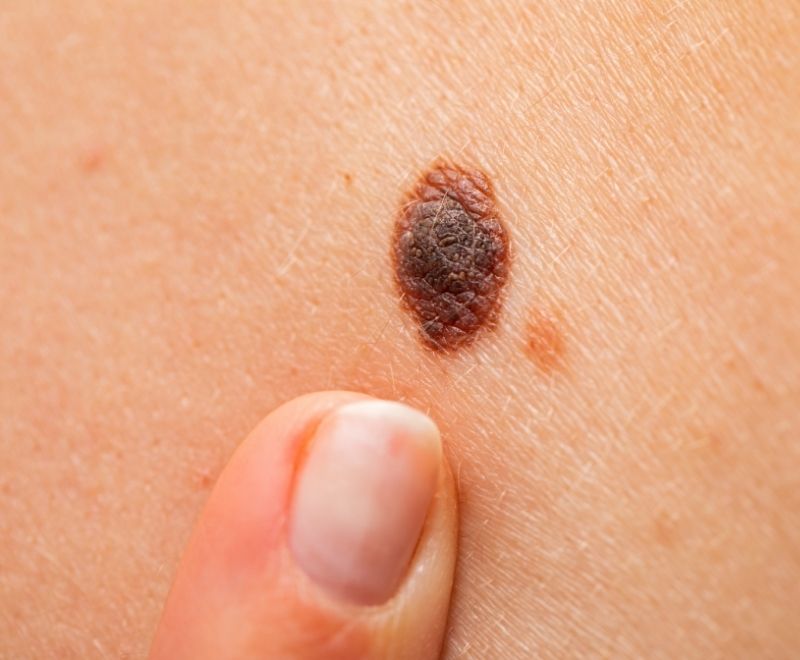
Yes, a new mole can sometimes be more concerning than an old one. While changes in existing moles can be a warning sign, many melanomas appear as new spots or lesions. In fact, a large 2017 meta-analysis found that over 70% of melanomas arose on previously healthy-looking skin* rather than…
Not all skin cancers are treated in the same way. Some can be removed in a single appointment with a standard surgical excision. Others need a more careful, staged approach, where the cancer is removed in layers and checked under a microscope during the procedure. This difference can be confusing.…
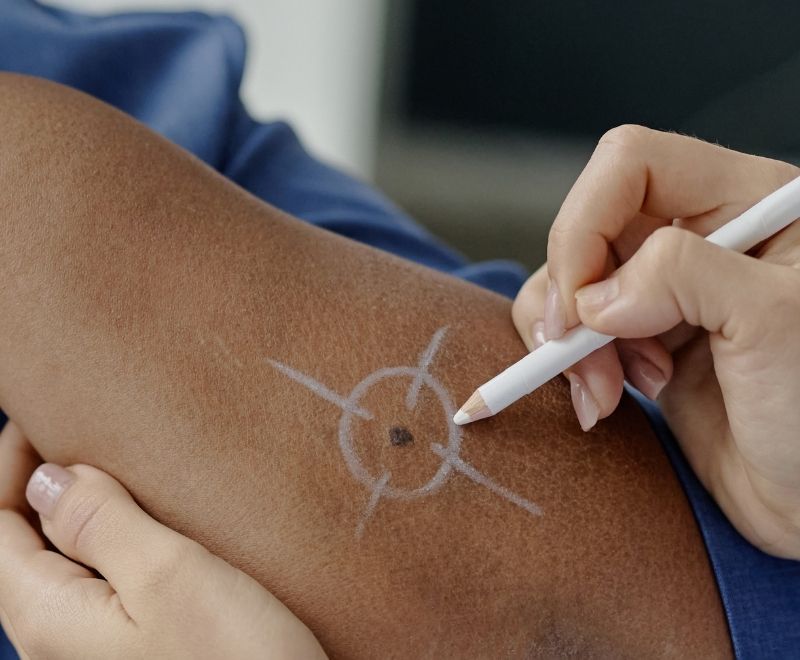
Yes, darker skin can still develop skin cancer. While skin cancer is less common in people with darker skin tones, it can still happen. Because awareness is often lower, signs may be missed or dismissed for longer. In fact, studies have shown that whilst melanoma in Māori, Pacific and Asian…
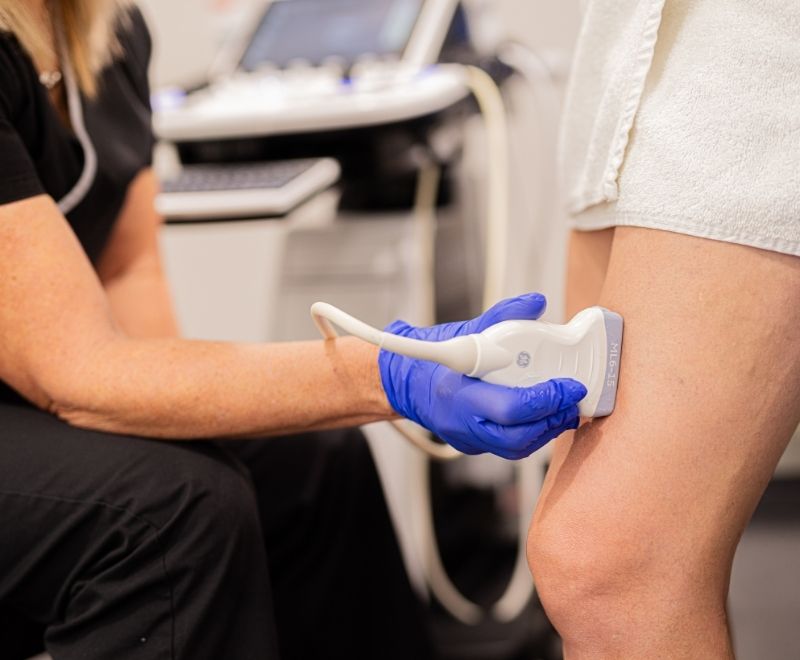
Knowing what to expect can help you feel more confident when seeking care for varicose veins. Modern approaches are minimally invasive, comfortable and efficient, and are commonly completed as a “walk in, walk out” procedure under local anaesthetic. Here’s what to expect from your vein assessment and treatment journey. 1.…
The cost of varicose vein treatment can vary from person to person. That is because treatment is based on what is happening within the vein system, not just what is visible on the surface. A helpful way to think about it is in three parts: assessment, diagnosis and treatment. Why…
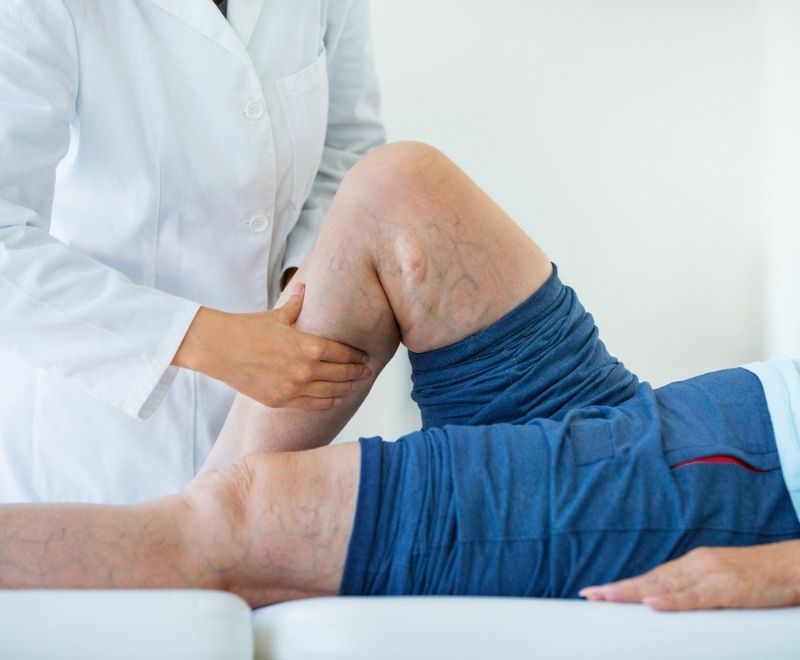
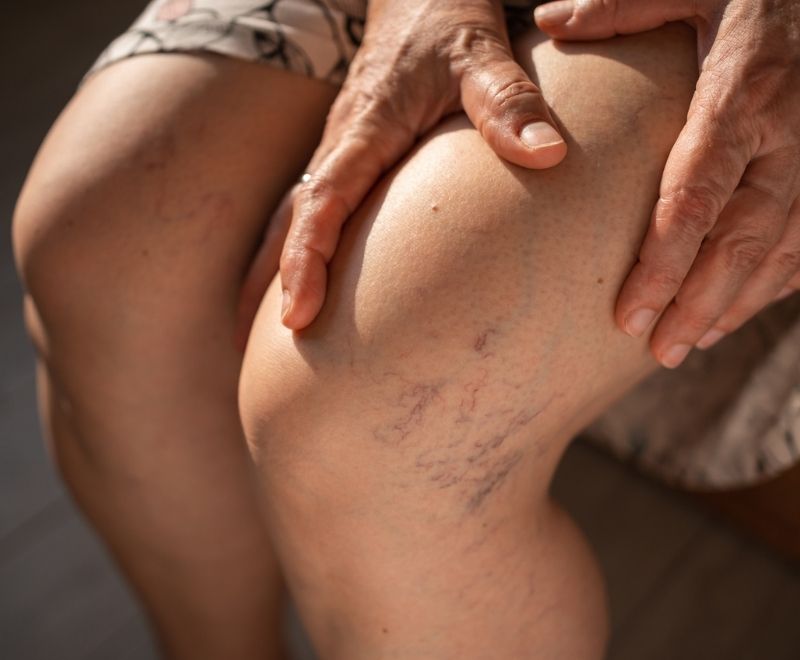
Healthy veins rely on steady blood flow from the legs back to the heart. When the small valves inside the veins weaken, blood can flow in the wrong direction (called reflux) and pool in the lower legs. Over time, this may lead to symptoms such as heaviness, swelling and visible…
Varicose veins affect around 20% of adults and can lead to swelling, discomfort, skin damage, clots and visible veins that impact both day-to-day comfort and confidence. Many people are surprised to learn how much varicose vein care has changed in recent years, with a shift from more invasive procedures to…
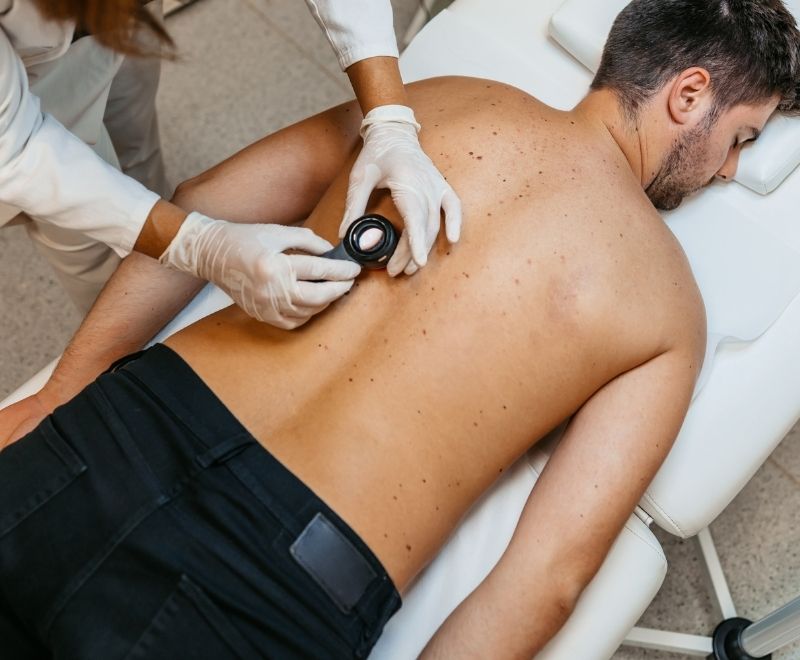
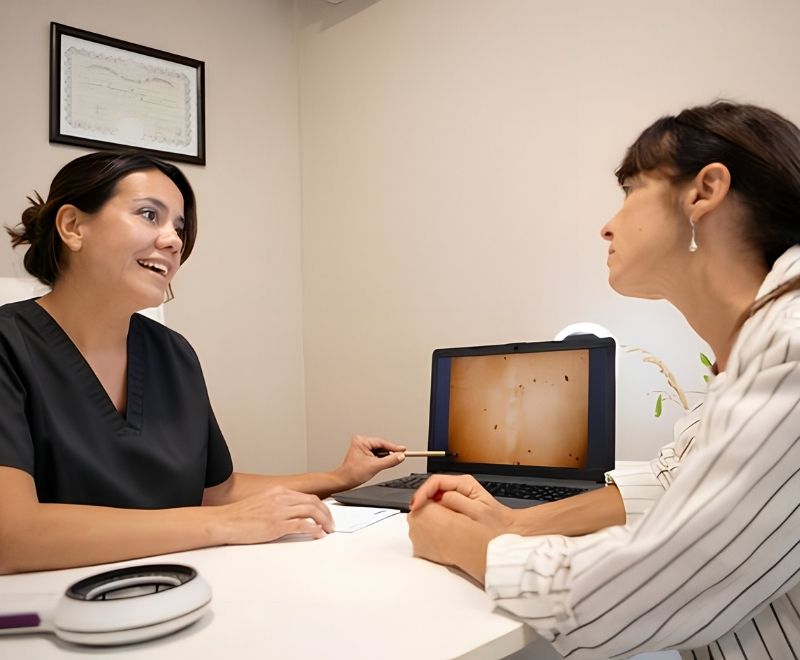
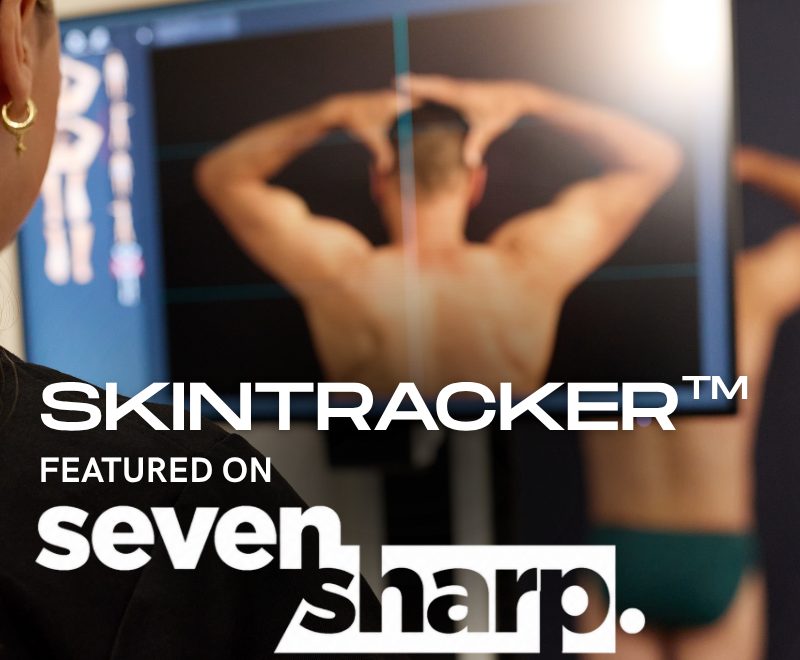
Skin Institute was recently featured on Seven Sharp, highlighting how AI-assisted technology is helping support earlier skin cancer detection in New Zealand. In the segment, journalist Lucas de Jong experienced SkinTracker™, our AI-powered total body imaging system, while speaking with Skin Institute surgeon Mr Isaac Cranshaw about the role technology…