01 October 2026

Choosing the best sunscreen in NZ can feel overwhelming. With countless formulas, SPF numbers, and claims, it is not always clear what actually protects your skin.
In a country with some of the highest UV levels in the world, sunscreen is not optional. We recommend a prevention first approach to sun safety. Sunscreen is a critical tool but understanding how to choose and use it correctly is what truly reduces long term skin damage.
Broad spectrum sunscreen protects against both UVA rays, which accelerate ageing and skin cancer risk, and UVB rays, which cause sunburn. This dual protection is essential under New Zealand’s intense UV conditions.
Daily use of SPF 50+ helps prevent sunburn, pigmentation, collagen breakdown, premature ageing and skin cancer.
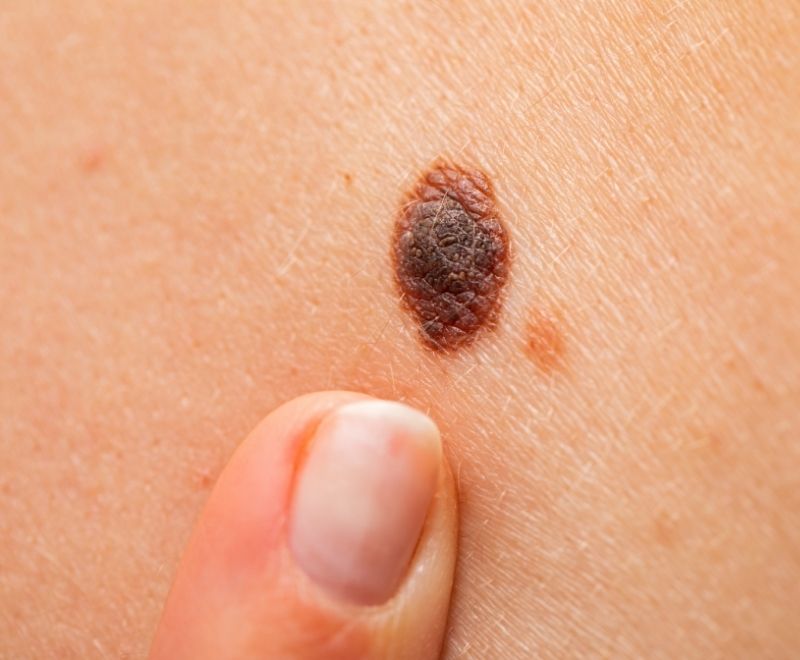
Sunscreen protects you today, but what about damage from previous years? Take our quick Melanoma Risk Assessment Quiz to understand your risk.
The best sunscreen in NZ is one that you will use consistently. Matching the formula to your skin type improves comfort, wearability, and compliance.
Look for sunscreens labelled non comedogenic or oil free. Lightweight gel or fluid textures reduce the risk of blocked pores while still providing full UV protection.
Hydrating sunscreens containing ingredients such as glycerine or hyaluronic acid help support the skin barrier while protecting against UV damage. These formulas can reduce tightness and flaking.
Sunscreen prevents new wrinkles, but it cannot reverse existing sun damage. Explore appearance medicine treatments for sun damaged skin.
Mineral sunscreens containing zinc oxide or titanium dioxide are often better tolerated by sensitive or reactive skin. These sit on the surface of the skin rather than being absorbed.
If you swim, sweat, or exercise outdoors, water resistance is essential. Look for sunscreens tested for 40 to 80 minutes of water resistance and reapply regularly.
Most people apply far less sunscreen than required, which dramatically reduces protection. Use approximately one teaspoon for the face, neck, and ears, one teaspoon per arm, and two teaspoons per leg. Reapply every two hours, or after swimming or sweating.
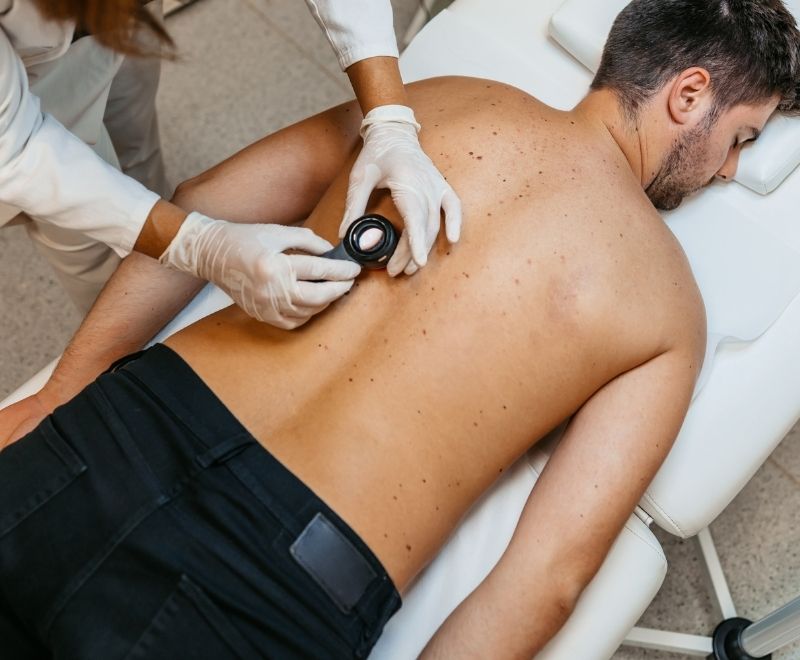
Applying sunscreen correctly today is vital, but it cannot undo years of missed areas. Book your full body SkinTracker™ check today.
Yes. Up to 80 percent of UV rays penetrate cloud cover. In New Zealand, UV levels are often high even when the sky looks grey. Sunscreen should be worn whenever the UV index is 3 or above.
SPF 50+ broad spectrum sunscreen is strongly recommended in NZ. It provides a greater margin of safety if you under apply or forget to reapply compared to lower SPFs.
Yes. Makeup products are rarely applied thickly enough to provide full protection. Sunscreen should always be applied first, with makeup layered on top.
While sunburn increases risk, cumulative UV exposure over time (even without burning) damages skin cells. Additionally, genetics play a role, so “tan-prone” skin still needs monitoring.
Take our quick Melanoma Risk Assessment Quiz to find out how sun safe you really are. Understand your personal risk factors for skin cancer & learn why regular checking is essential.
New Zealand has one of the highest rates of skin cancer in the world. Everyone has factors that can increase their risk, from skin type to sun exposure and personal history.
For a skin check, book an appointment with one of our Skin Cancer Doctors or Nurse Dermoscopists.