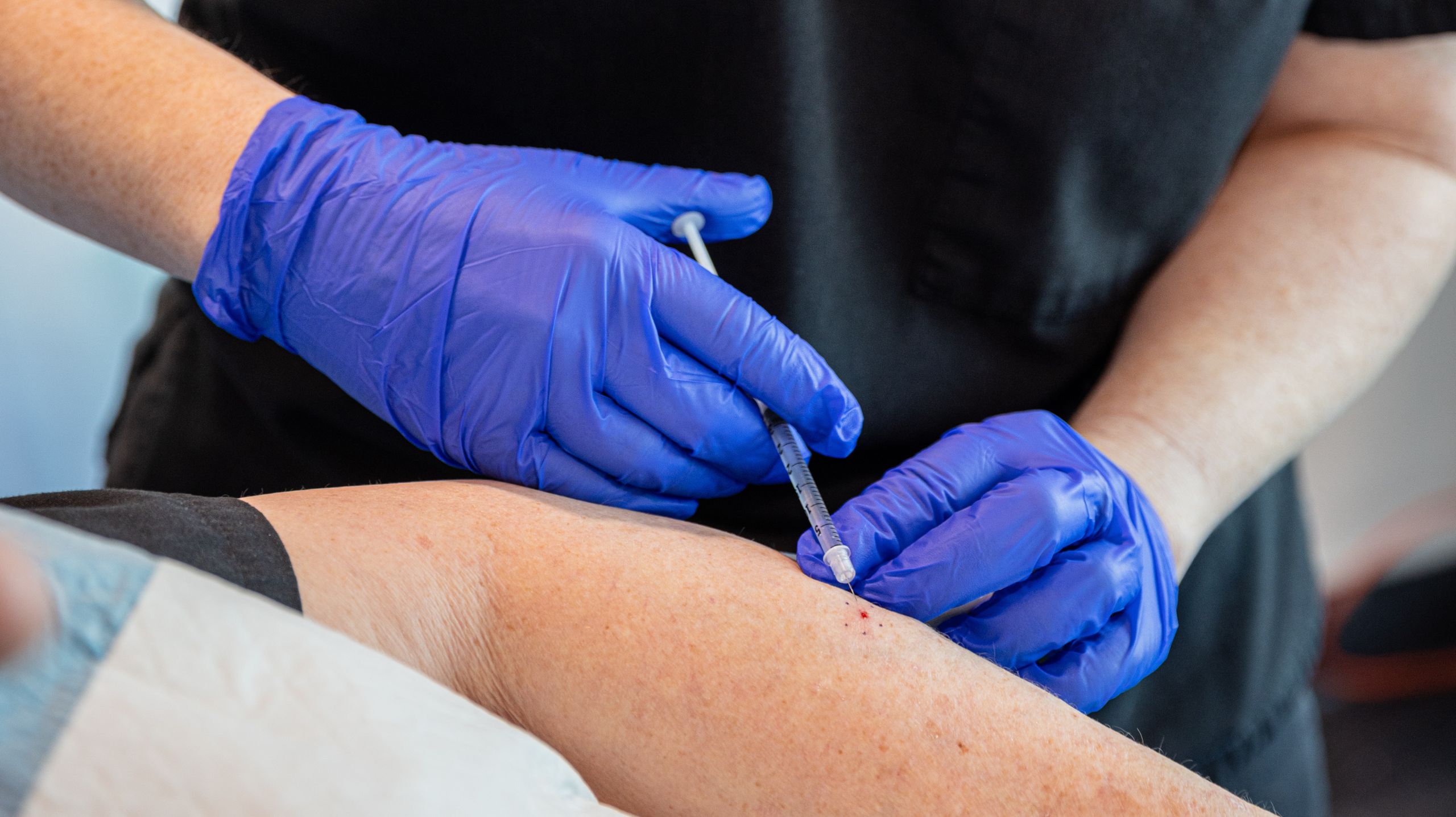
These simple, everyday habits can significantly reduce your risk of skin cancer and support long-term skin health.
Seek shade
Stay out of direct sunlight during the middle of the day, when UV rays are at their strongest
Wear protective clothing
Choose wide-brimmed hats, long sleeve tops, and UV-blocking sunglasses to help shield your skin from the sun.
Use broad spectrum SPF 50 sunscreen
Apply generously to all exposed skin, everyday, even when it’s cloudy. Reapply as directed, especially after swimming or sweating.
Avoid tanning beds
Skip tanning beds and sunlamps, which expose your skin to harmful UV radiation
Check your skin regularly
Look for new or changing moles,spots or marks on your skin.
Visit a clinician for any concerns
If you notice anything unusual, persistent, or slow to heal, book an appointment with a qualified clinician.
Skin cancer is all too common in New Zealand, affecting 2 in 3 of us at some point in our lives.*
Your risk is shaped by factors like sun exposure, skin type, age and family history, and many early signs can easily go unnoticed.
By understanding your risk and taking a few simple steps to protect your skin, you can reduce your chances of developing skin cancer and support long-term skin health.
Prevention and early detection work best when they go hand-in-hand, because looking after your skin today can make all the difference tomorrow.
Learn more about skin health via our blogs or subscribe to our newsletter.
Q: Why is skin cancer so common in New Zealand?
A: New Zealand has naturally lower ozone levels and clear air, which allows higher levels of UV radiation to reach the ground. Combined with an outdoor lifestyle, this significantly increases skin damage risk compared to other countries.
Q: Does SPF 50 sunscreen prevent all sun damage?
A: No sunscreen blocks 100% of UV rays. SPF 50 filters about 98% of UVB radiation. That is why we recommend combining sunscreen with protective clothing, hats, and shade for full protection.
Q: How often should I check my own skin?
A: We recommend a self-check every 3 months. Look for the “Ugly Duckling” – any spot that looks different from your others – or use the ABCDE rule (Asymmetry, Border, Colour, Diameter, Evolving).
Q: How often should I check my own skin?
A: Some superficial sun damage (like pigmentation) can be treated cosmetically, but the DNA damage that leads to skin cancer is cumulative. This is why prevention and early detection (via services like SkinTracker™) are your best defense.
* Source: MelNet, Skin Cancer Prevention and Early Detection Strategy 2024–2028 (2025).

