01 October 2026
When a biopsy confirms the presence of skin cancer, surgical removal is often the most effective treatment.
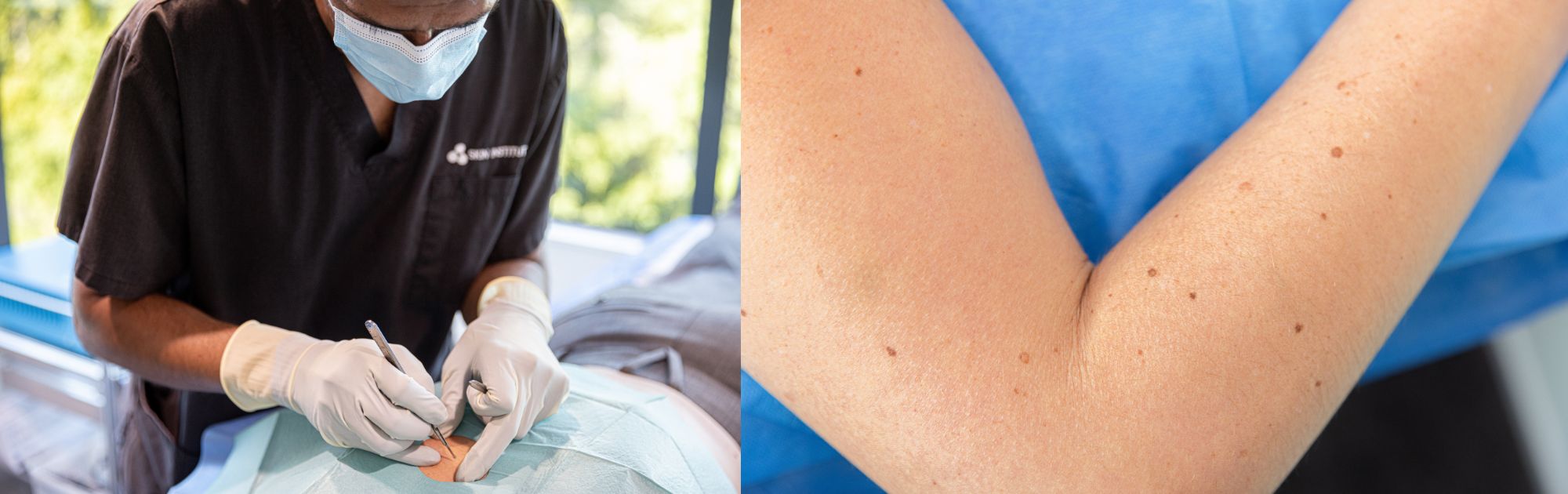
At Skin Institute clinics, our surgical rooms are equipped with advanced tools and technology to ensure safe and precise removal of skin cancers, including basal cell carcinoma, squamous cell carcinoma, and melanoma.
The process begins with a thorough consultation, where your doctor or nurse explains the procedure, answers any questions, and ensures you feel comfortable.
During surgery, the area is numbed with local anaesthetic so you remain awake but free from pain. The doctor then carefully removes the cancerous tissue, along with a circumference of healthy skin to ensure all cancer cells are eliminated.
We offer several types of surgical removal for skin cancer, and your doctor will recommend the best option for your situation:
After surgery, we provide clear aftercare instructions and arrange follow-up appointments to monitor healing and check for any signs of recurrence.
Treating skin cancers in a timely manner is particularly important in New Zealand, where our high UV exposure means skin cancers can develop quickly and aggressively.
Having your skin checked regularly and seeking prompt treatment can make all the difference.