01 October 2026
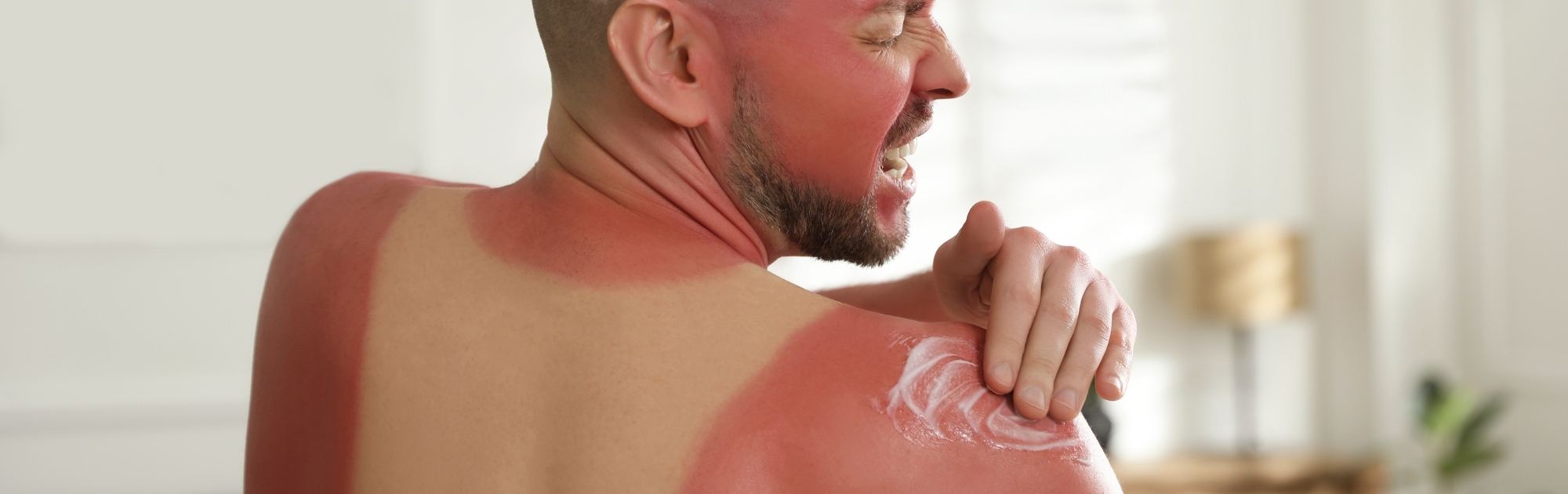
Sunburn is more than temporary redness. It is a visible sign of UV induced DNA damage within the skin. In New Zealand, where UV levels are exceptionally strong, sunburn can develop quickly and lead to long term skin damage.
At Skin Institute, we focus on prevention first. Understanding what happens during sunburn helps you respond safely and recognise why even one burn matters.
UVB damage and DNA injury
UVB rays penetrate the upper layers of the skin and directly damage DNA within skin cells. This damage disrupts normal cell function and increases the risk of abnormal cell growth.
UVA damage and inflammation
UVA rays penetrate deeper, breaking down collagen and elastin while triggering inflammation. This contributes to premature ageing, pain, and delayed skin repair.
Your body’s response to sunburn
When UV damage occurs, the body reacts by increasing blood flow to the area, causing redness and heat. Inflammatory pathways activate, leading to pain and swelling. Damaged cells are programmed to die and shed, which results in peeling days after the burn.
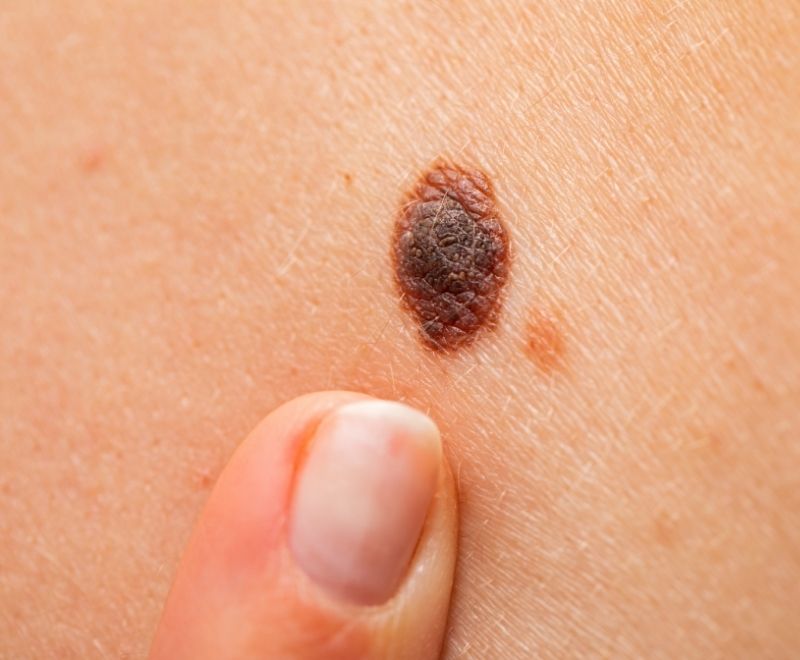
Severe or repeated sunburn significantly increases lifetime melanoma risk, particularly burns experienced in childhood.
Immediate care steps
Cool the skin using cool water or compresses, apply aloe vera or a gentle fragrance free moisturiser, and stay well hydrated. Rest and avoid further sun exposure until the skin recovers.
What to avoid
Never pop blisters, as this increases the risk of infection and scarring. Avoid harsh products, exfoliation, and further UV exposure while the skin heals.
Sunburn damage is cumulative. While redness fades, DNA damage can persist for years beneath the surface. Repeated burns increase the likelihood of melanoma and other skin cancers later in life.
Childhood sunburns are particularly significant, as the effects often appear decades later.
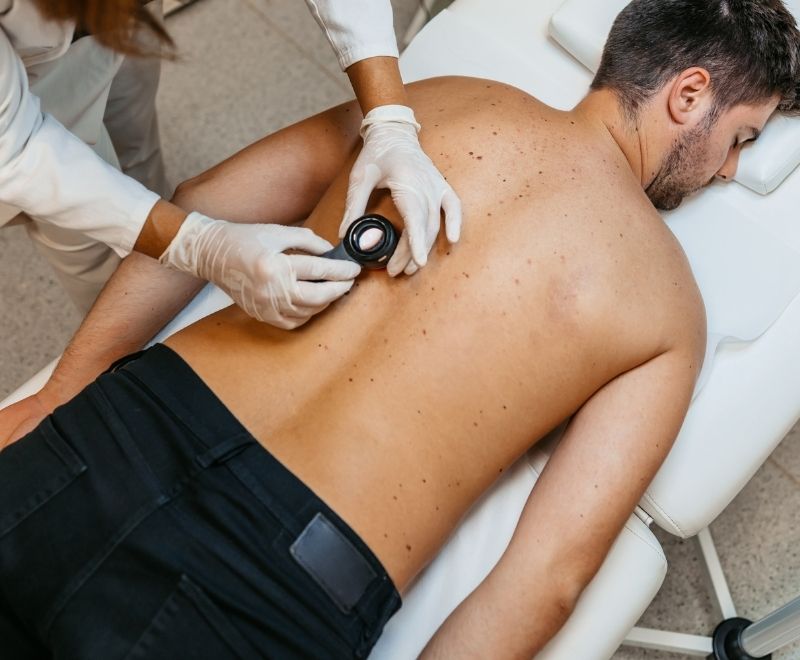
Redness fades, but DNA damage stays hidden. Don’t let past burns become future problems. Book a SkinTracker™ assessment to map your moles and monitor changes over time.
Why does skin peel after sunburn?
Peeling is the body’s protective response. Cells with damaged DNA are shed to prevent them from replicating, which helps reduce cancer risk.
How long does a sunburn take to heal?
Mild sunburn usually improves within three to five days. Moderate burns may last over a week, while severe blistering burns can take weeks to heal. Cellular damage may persist even after visible healing.
Can I get sunburnt underwater or while swimming?
Yes. UV penetrates shallow water, and reflections from water and sand increase exposure. Water resistant sunscreen is essential and must be reapplied after towel drying.
When should I see a doctor for sunburn?
Seek medical care if there are extensive blistering, severe pain, fever, chills, dehydration, or signs of infection. Children should be assessed sooner if significantly burnt.