01 October 2026

Healthy veins rely on steady blood flow from the legs back to the heart. When the small valves inside the veins weaken, blood can flow in the wrong direction (called reflux) and pool in the lower legs. Over time, this may lead to symptoms such as heaviness, swelling and visible varicose veins.
While genetics play a significant role, daily habits can influence how your legs feel and how symptoms develop over time.
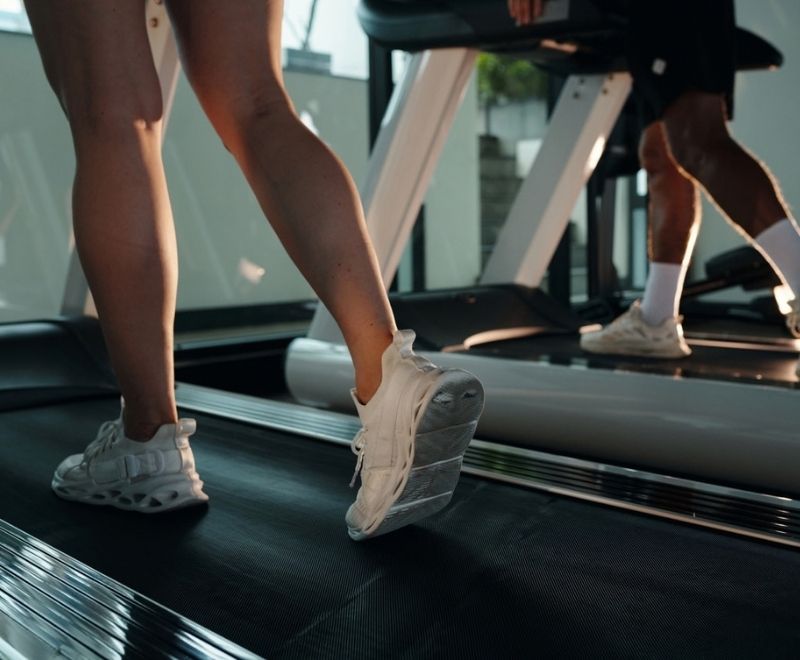
Your calf muscles act as a natural pump with each step helping to push blood upward against gravity.
You don’t need intense workouts. Walking 20 to 30 minutes most days is one of the simplest and most effective ways to support your veins. Cycling, swimming and light strength work are also beneficial. The key is consistency rather than intensity.
If your work involves prolonged sitting or standing, aim to move every 30–60 minutes. Even brief movement helps reduce venous pressure in the legs.
Excess body weight increases pressure in the veins of the pelvis and legs, which can worsen symptoms over time. A diet focused on whole foods, adequate fibre and moderate salt intake may help limit fluid retention and support overall vascular health. The goal is steady, sustainable habits rather than make restrictive changes.
Raising your legs above heart level for 10 to15 minutes can reduce venous pressure and ease heaviness. Many people find this particularly helpful in the evening after prolonged standing or travel.
Adequate hydration supports normal blood flow and can reduce the likelihood of swelling, especially during hotter weather. Water is best and it’s a simple measure that complements other lifestyle habits.
If you are thinking about treating varicose veins, cooler months are often more comfortable. Compression stockings are easier to tolerate, and recovery from minimally invasive procedures tends to feel more manageable.
Modern vein treatments are typically performed under local anaesthetic and do not require a hospital stay.
If you have medical insurance, reviewing your deductible early in the year can help you plan any recommended vein treatments with less uncertainty. Many people don’t realise that vein treatment may be partially or fully covered depending on symptoms and medical necessity. Always check with your provider for eligibility.
Seek urgent medical attention if you develop sudden swelling in one leg, particularly if it is accompanied by pain, warmth or redness. These symptoms can indicate a blood clot.
If you experience ongoing heaviness, aching, ankle swelling or visible bulging veins, a specialist assessment can determine whether underlying venous insufficiency is present and help you understand your options.
Simple habits can support circulation and help manage symptoms, but they do not treat underlying vein disease. If concerns persist, early assessment allows treatment to be planned before symptoms progress.
Healthy veins start with simple habits. If you’re ready for expert support, book a free veins assessment at one of our clinics:
Silverdale | Albany | NorthWest | Remuera | Wellington | Richmond | Queenstown | Dunedin