01 October 2026
By Dr Megan Reilly, Veins & Skin Cancer Doctor, Skin Institute | Sept 2026
Walking, cycling and swimming are genuinely good for your veins. None of them will undo a faulty valve. Both of those things are true, and mixing them up is where most of the confusion about exercise and varicose veins comes from.
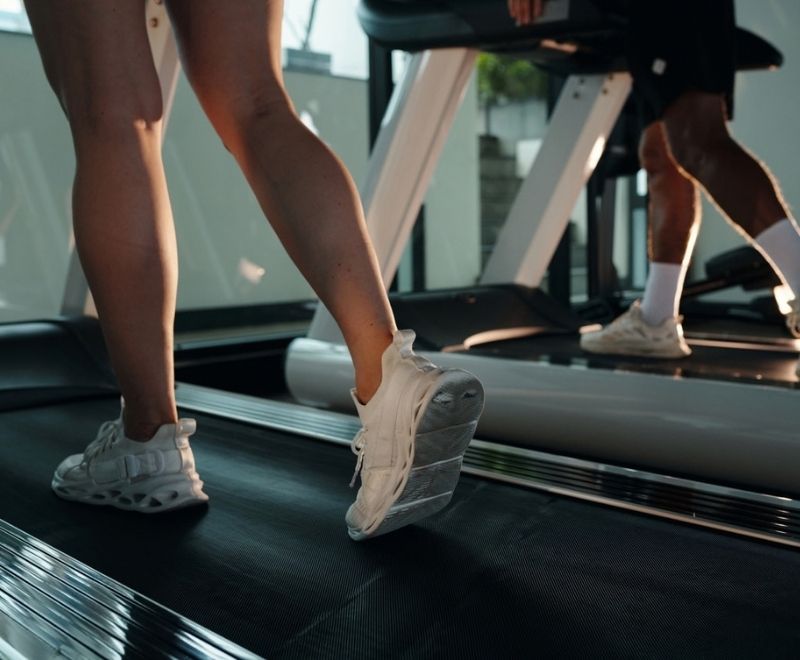
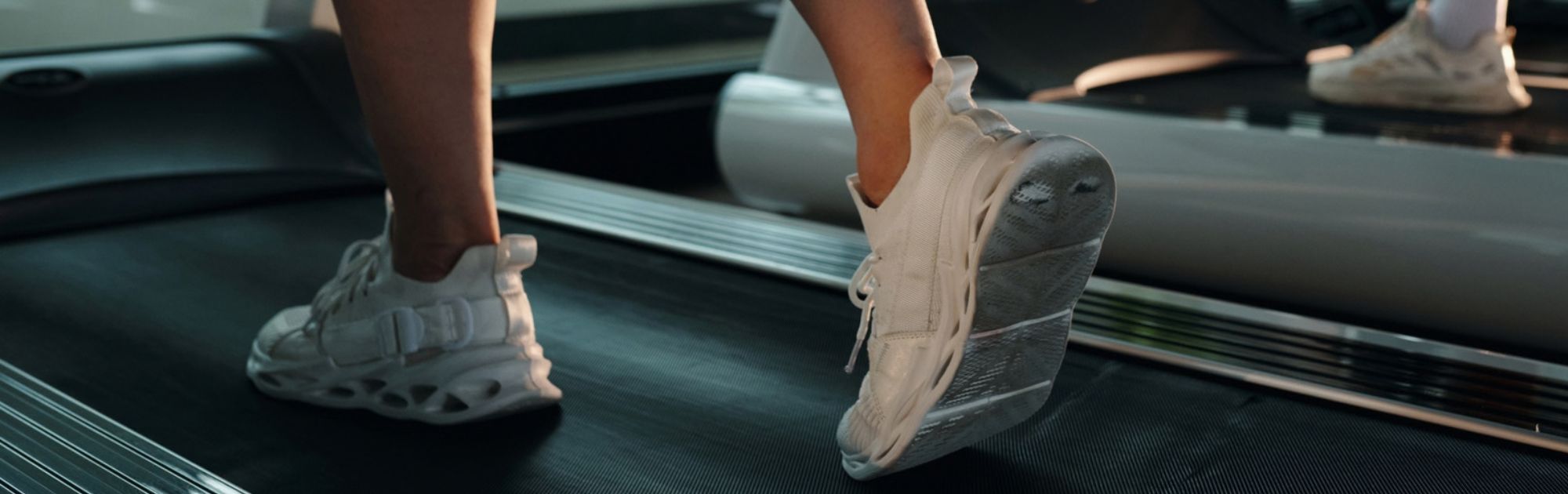
Every time your calf muscles contract, they squeeze the deep veins and push blood back towards the heart. It’s an effective pump, and walking, cycling and swimming all put it to work. Most people with venous symptoms notice that gentle movement feels better than standing still for long stretches.
“Exercise is excellent for the calf pump and overall vascular health. What it cannot do is make a damaged one-way valve start closing normally again. That’s why symptoms can temporarily improve with movement even when reflux is still present.”
— Dr Megan Reilly, Veins & Skin Cancer Doctor, Skin Institute
Varicose veins usually develop because a valve no longer closes properly, and no amount of walking rebuilds a valve. If reflux is established, blood can still flow backwards once the muscle relaxes. So, it’s entirely possible to be fit, active and still have visible veins, swelling or skin changes. That’s not a sign you haven’t tried hard enough.
Most people don’t need a specialised programme, just regular movement that works the calf pump:
If swelling or pain starts limiting what you can do, or you’re recovering from treatment, that’s a conversation for your clinician rather than a reason to assume you must give up training altogether.
Movement matters just as much on an ordinary workday as it does in a workout. A few small habits go a long way:
The aim is avoiding hours of complete stillness, not building a perfect exercise routine around your veins.
Staying active can help symptoms, but persistent aching, heaviness, swelling, itching or visible varicose veins still warrants assessment, and that’s when an ultrasound earns its place: to check whether reflux is present. Treatment decisions come from symptoms, examination and the vein map, not from how hard you’ve been at the gym. Compression garments can help some people during work, travel or recovery, but they work best fitted and used for a specific reason. They’re not a substitute for getting checked if symptoms are persistent or getting worse. Sudden one-sided swelling, pain, redness or warmth requires prompt medical assessment, as these symptoms can have other causes, including a blood clot.
Walking is often encouraged soon after minimally invasive treatment, while strenuous exercise that involves heavy lifting may be restricted for a short period afterwards. Follow the guidance given for your specific procedure.
Yes, if you’re otherwise medically fit to swim. It keeps the leg muscles active with very little impact. Keep moving for your general health regardless. If your legs stay swollen, heavy or painful despite regular activity, it’s worth finding out whether a vein assessment would add anything useful.
Free Vein Assessment | Veins Consultation & Ultrasound Mapping | Dr Megan Reilly