01 October 2026

NZ UV: Stronger, faster, more damaging
The New Zealand UV index is among the highest globally. This is due to a naturally thinner ozone layer, clear air, low pollution, and high sun angles, particularly in summer. UV radiation reaches the skin more intensely here than in many other countries, meaning damage can begin within minutes of exposure.
According to organisations such as NIWA and the Cancer Society of New Zealand, UV levels in NZ are high enough to cause skin damage even on cooler or cloudy days. This makes sun protection a year-round priority rather than a seasonal one.
What happens to your skin under NZ UV
When UV rays penetrate the skin, they trigger changes at a cellular level. Collagen and elastin break down, pigmentation pathways are activated, and the skin barrier weakens. UV exposure can also damage DNA within skin cells.
Over time, this can lead to:
Much of this damage occurs beneath the surface, long before it becomes visible.
Why regular skin checks matter
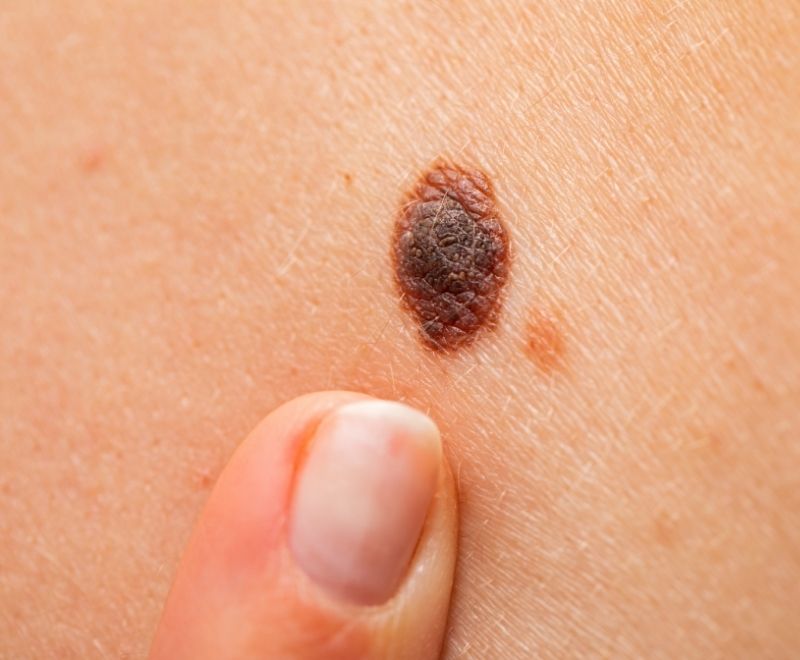
UV damage accumulates quietly in deeper layers of the skin. By the time changes are visible, damage may already be advanced.
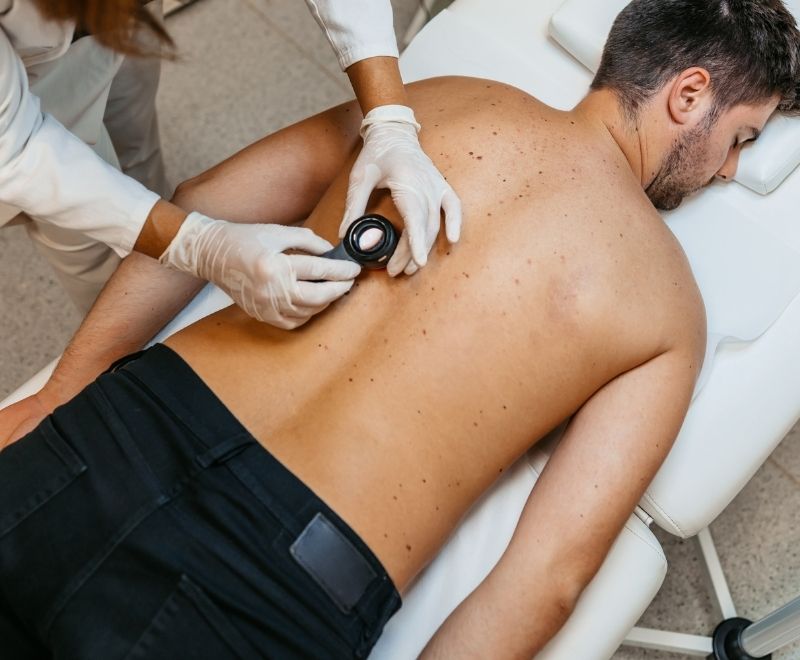
Professional skin checks allow clinicians to monitor microscopic changes that cannot be seen with the naked eye. Early detection supports better outcomes and provides reassurance about your long-term skin health.
Visible change is only part of the picture. SkinTracker™ technology helps us compare your skin over time, so new or evolving lesions can be identified earlier and more accurately.
Book your full body imaging appointment
SPF 50+ broad spectrum sunscreen
High strength, broad spectrum sunscreen helps protect against both UVA and UVB rays. SPF 50+ is recommended in New Zealand due to the intensity of UV exposure. Sunscreen should be applied daily to exposed skin and reapplied regularly, especially during outdoor activity.
Protective clothing and hats
Physical barriers such as wide brim hats, long sleeves, and UPF rated clothing provide consistent protection that does not wear off like sunscreen. These measures are particularly important during peak UV hours.
Seeking shade and timing your exposure
UV levels are strongest between 10am and 4pm. Seeking shade during these hours significantly reduces cumulative exposure. Planning outdoor activities earlier in the morning or later in the afternoon helps minimise risk while still enjoying time outside.
The importance of long-term skin care
Protecting your skin from the sun is not just about avoiding short term damage. It is about preserving skin health over decades. Prevention starts with daily habits, but peace of mind starts with a professional assessment.
Book an appointment with a specialist to support your long-term skin health.
Why is New Zealand’s UV index so high?
New Zealand sits under a part of the atmosphere where the ozone layer is naturally thinner. Combined with clear skies, clean air, and high sun angles, UV radiation reaches the ground with greater intensity. This makes sun protection essential all year.
Can UV damage occur in winter?
Yes. While UV levels are lower in winter, they are still high enough to cause long term damage. UVA rays, which contribute to ageing and skin cancer risk, remain relatively constant throughout the year, especially when reflected off snow or water.
How quickly can you burn in New Zealand?
During summer, skin can burn in as little as 10 to 15 minutes, even faster for children or fair skin types. Cloud cover does not significantly reduce UV exposure. Protection is recommended whenever the UV index is 3 or higher.
How often should I book a skin check in NZ?
Most adults should have a professional skin check once a year. People with a family history of melanoma, previous skin cancers, or new or changing lesions may need more frequent checks. Your clinician can recommend a personalised schedule.