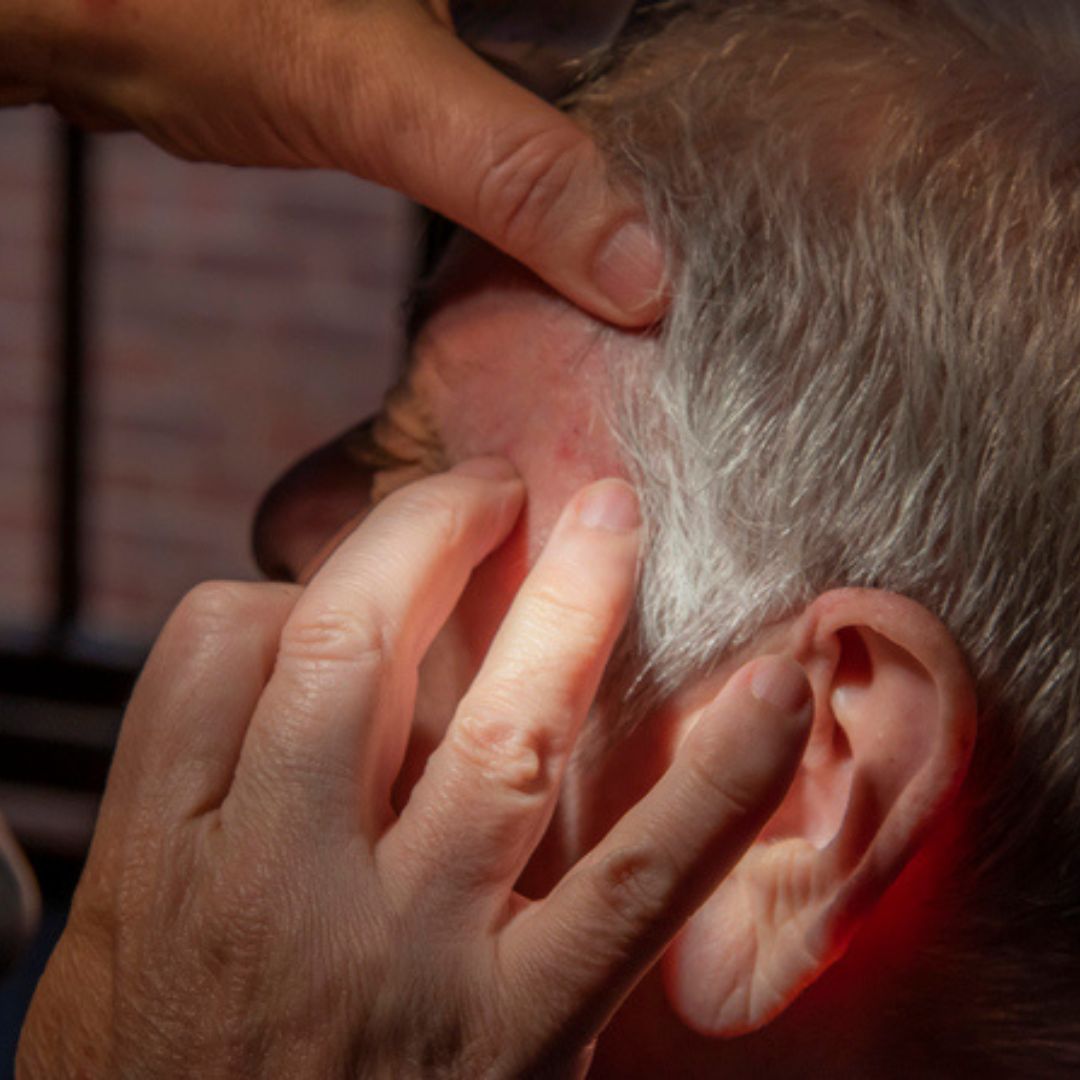
John Cena’s Skin Cancer Wake-Up Call: Why Sun Protection Matters for Everyone When someone as strong and seemingly invincible as John Cena shares a personal health scare, the world listens. This year, the WWE star and Hollywood actor revealed he has been diagnosed with skin cancer not once, but twice.…
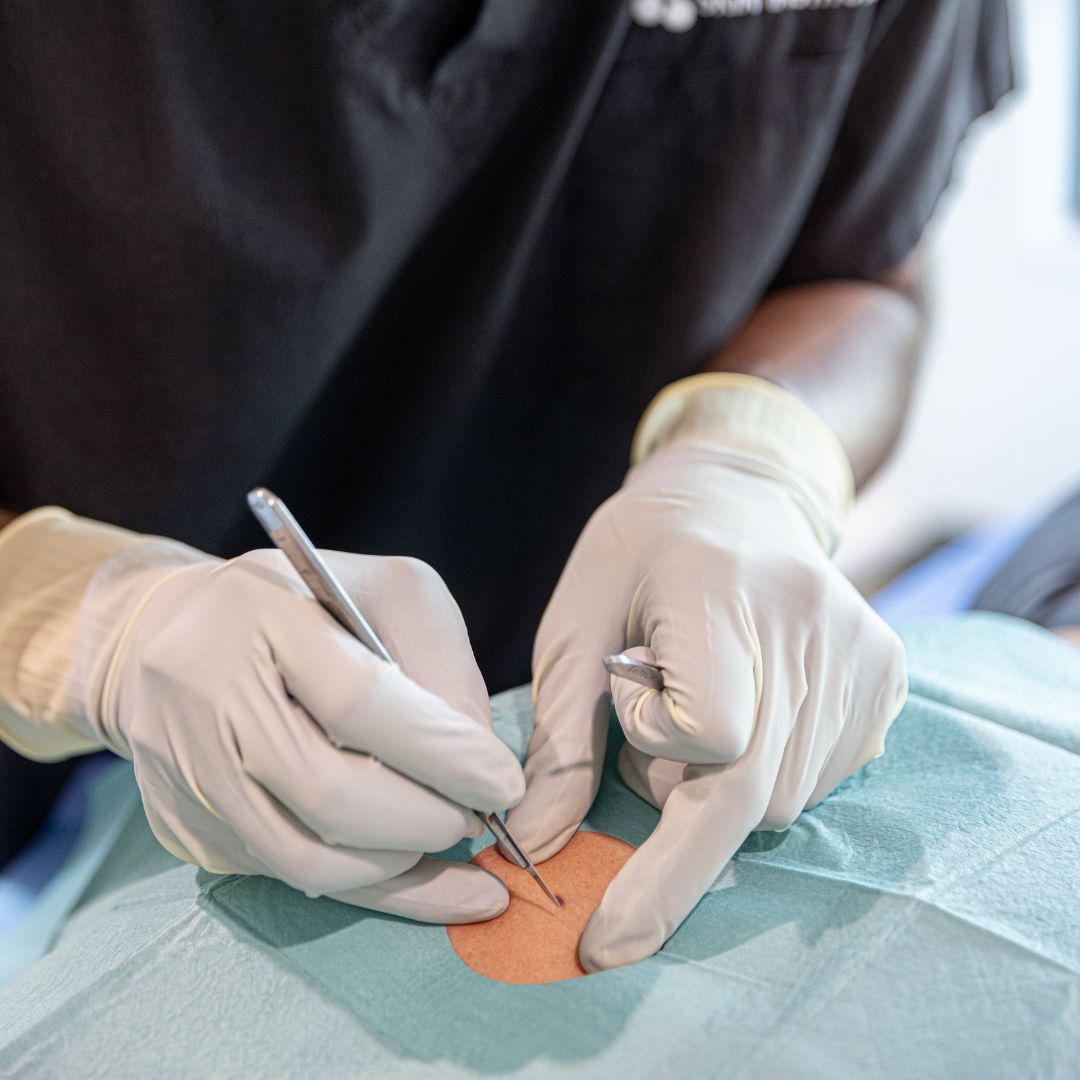
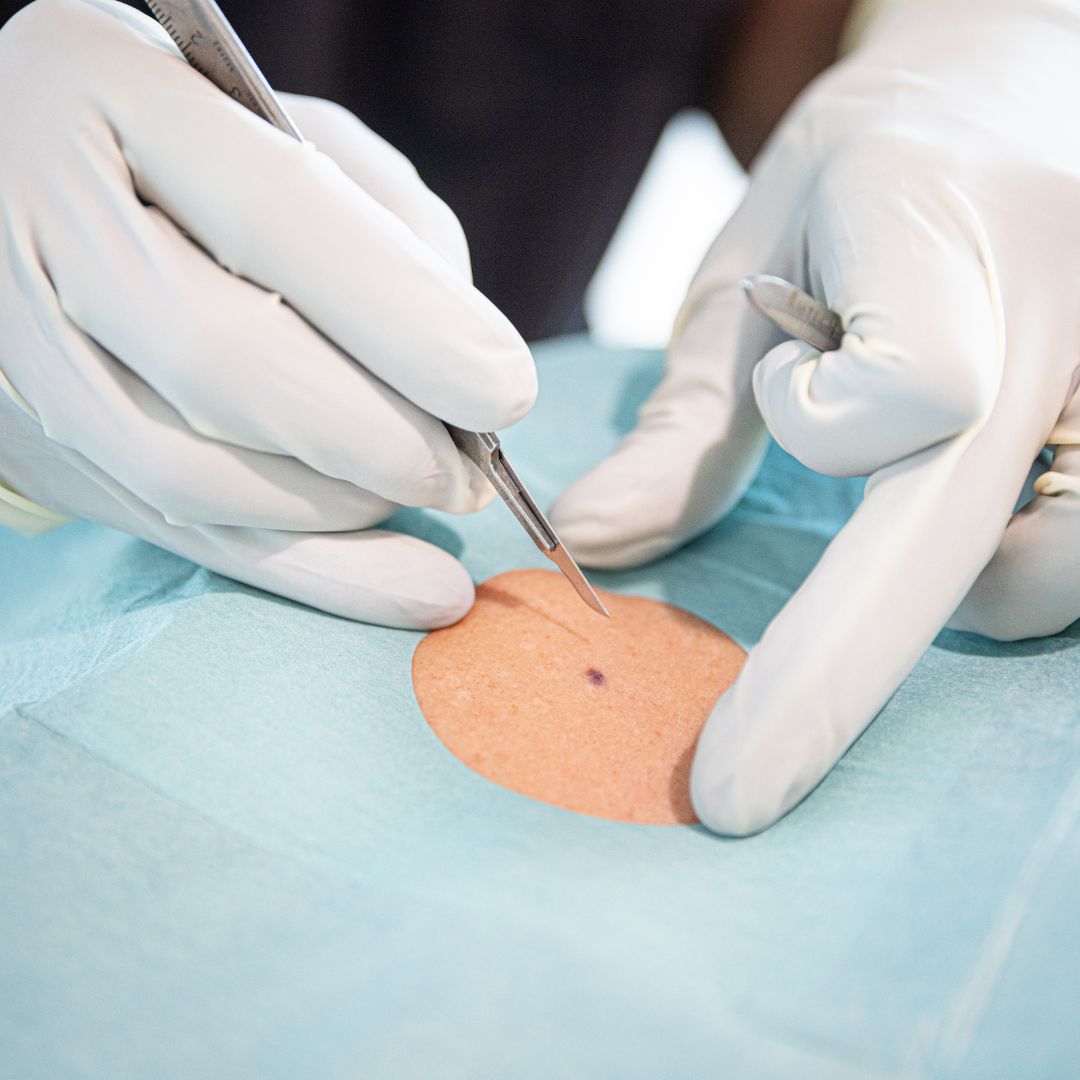
When a biopsy confirms the presence of skin cancer, surgical removal is often the most effective treatment. At Skin Institute clinics, our surgical rooms are equipped with advanced tools and technology to ensure safe and precise removal of skin cancers, including basal cell carcinoma, squamous cell carcinoma, and melanoma. The…
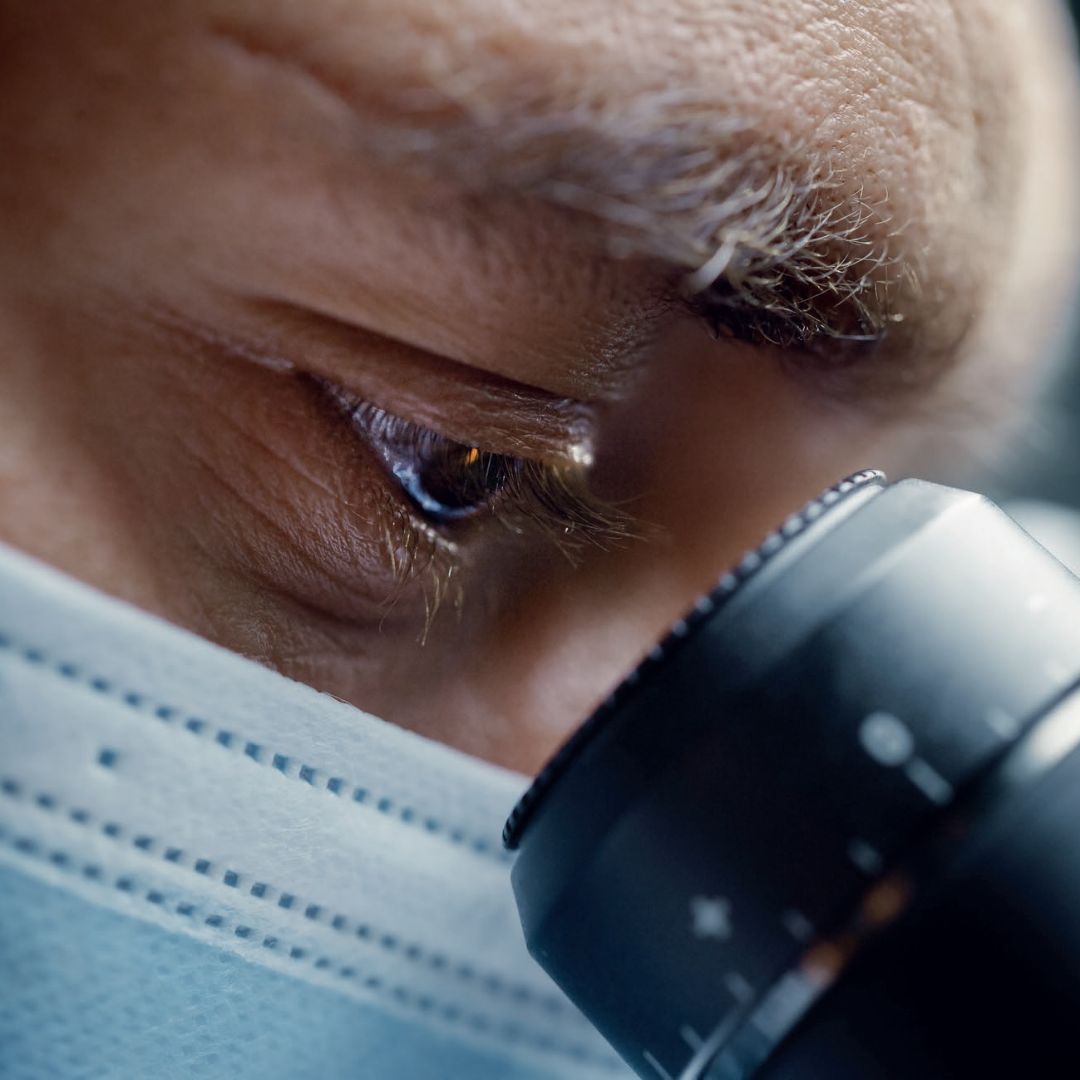
When it comes to diagnosing skin conditions, especially skin cancers, a biopsy is one of the most reliable tools available to doctors in New Zealand. A biopsy is a simple medical procedure where a small sample of skin is removed and examined under a microscope. This allows a specialist to…
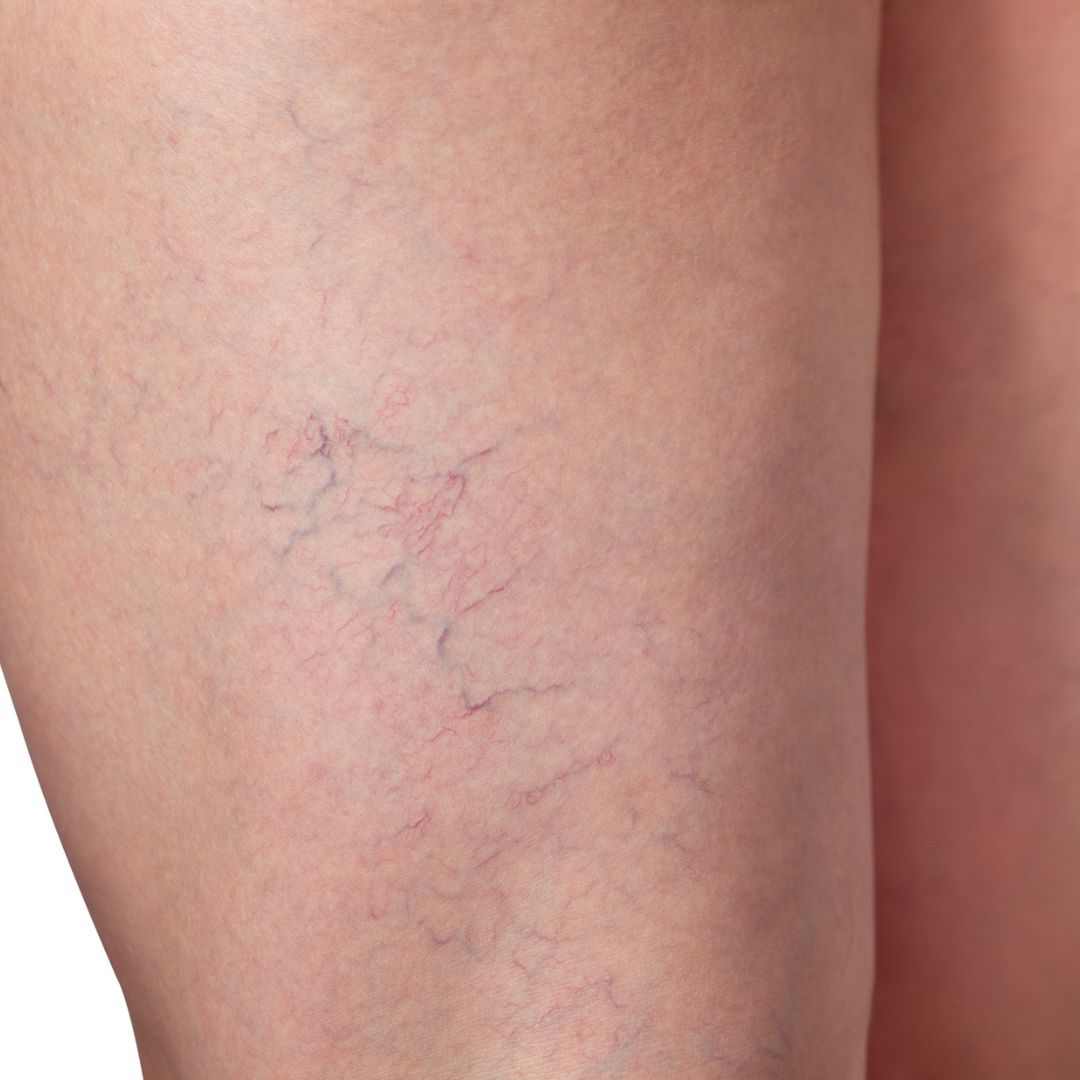
Have you noticed visible veins appearing on your legs and wondered if they’re spider veins or varicose veins? You’re not alone. These common vein conditions affect many New Zealanders, especially as we age, but they’re not just a cosmetic concern - some can signal underlying vein disease. So how can…
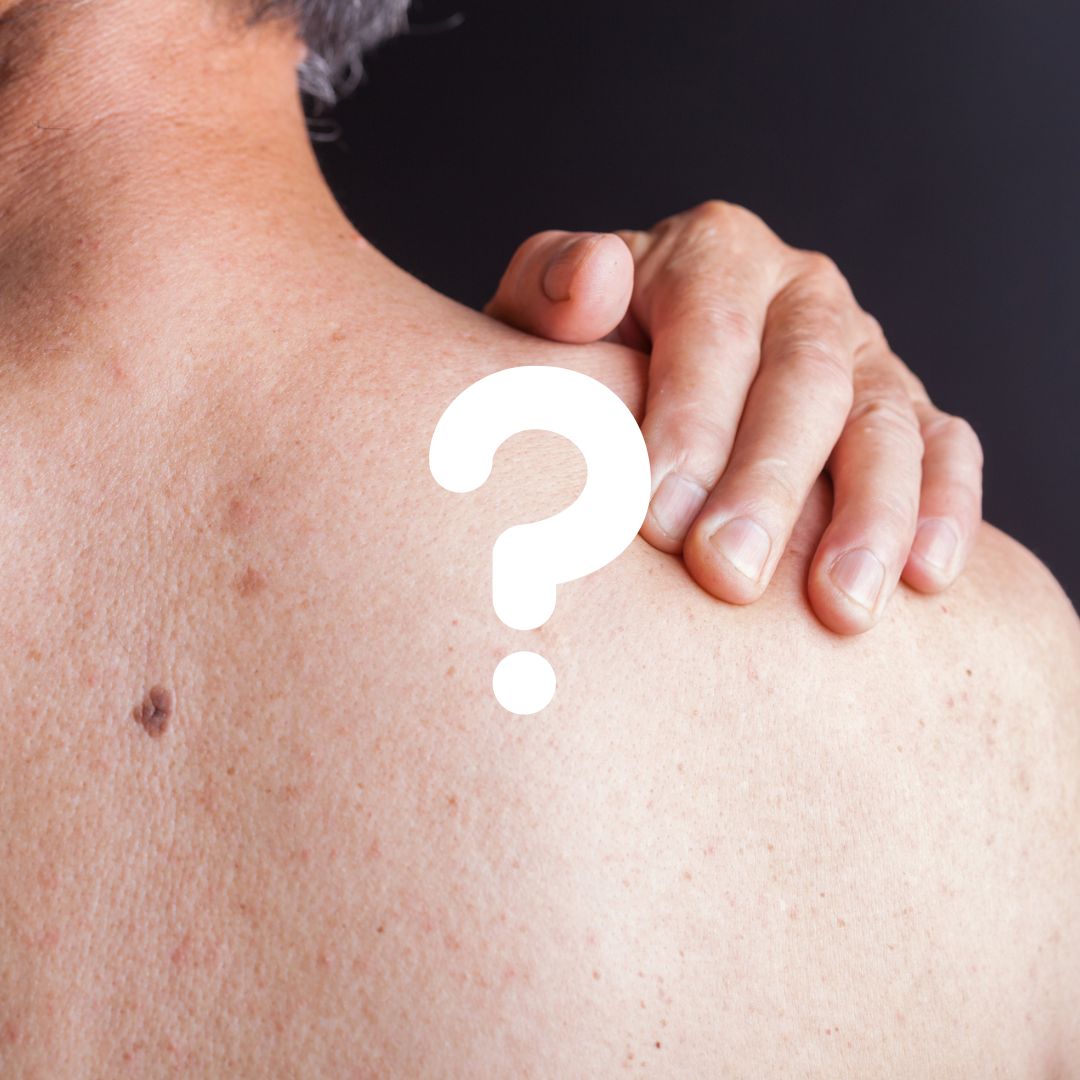
Q&A: Your Top Skin Cancer Questions Answered We asked our Skin Institute clinicians to answer the most common questions about skin cancer that patients often ask. Here are their expert insights: 1. What’s the difference between a mole and melanoma? A mole is a common, usually harmless skin growth made…
Even in 2025, myths about skin cancer persist. Let’s set the facts straight: Myth 1: You can only get skin cancer if you’re older Fact: Melanoma is one of the most common cancers in young adults in NZ. Myth 2: Skin cancer is always raised, dark, or painful Fact: Many…
Varicose veins are enlarged, twisted veins that often appear blue or dark purple and are most commonly found on the legs. They occur when faulty valves in the veins allow blood to pool rather than flow efficiently back to the heart. Varicose Veins common symptoms include: Achy, tired, or heavy-feeling…
Varicose veins are more than just a cosmetic issue. They’re a sign that something deeper is going on in your vascular system. These enlarged, twisted veins most commonly appear in the legs and are caused by a failure in the valves that help blood flow back to the heart. When…
The importance of a multidisciplinary approach to skin cancer Skin cancer is more than a spot on the skin. It’s a complex condition that can vary in type, location, severity, and impact. That’s why at Skin Institute, we take a multidisciplinary approach to care. This means drawing on the expertise…
What is Mohs Surgery, and when is it needed? Mohs micrographic surgery is one of the most precise and effective treatments for certain types of skin cancer. Named after Dr. Frederic Mohs who developed the technique in the 1930s, this procedure is especially beneficial for treating cancers in areas where…